


Table of Contents
- Introduction to the Camel’s Unique Biology
- Ancient Civilizations and the Domestication of Camels
- Camels as “Ships of the Desert”: Trade, Travel & Exploration
- Sustenance from the Sand: Camel Milk and Food
- Camel Products Beyond Milk
- The Camel in Culture and Spiritual Life
- Modern Uses and the Rise of Camel Milk Today
- Juba Farms: Bringing Camel Milk to Your Doorstep
- Conclusion
- FAQs
When we look at the sweep of human history, few animals have impacted our survival and development as profoundly as the camel. The camel’s role in human survival through history touches on everything from transportation across harsh deserts to providing nourishment and materials essential for life. Long before modern supply chains and refrigerated transport, the camel was a mobile lifeline - an animal perfectly adapted to bridge the gaps between oasis towns and sustain human populations in unforgiving landscapes.
Even today, products like our fresh camel milk connect us to that legacy in a practical way, offering a nutritious option many cultures have relied on for centuries. Whether it’s the famed camel caravans of the Silk Road or a refreshing bottle of camel milk after a long day, the camel’s mark on human civilization is unmistakable.
Introduction to the Camel’s Unique Biology
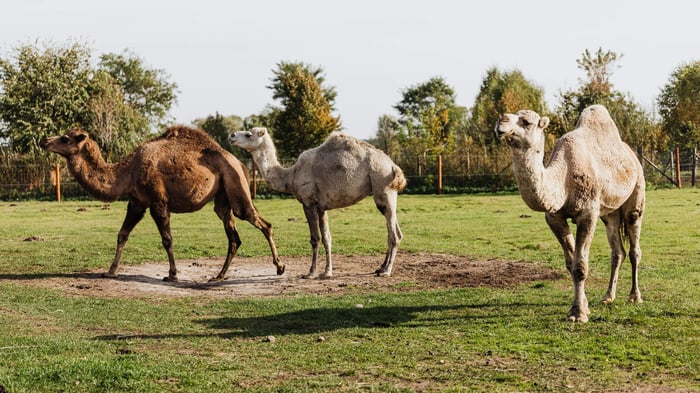
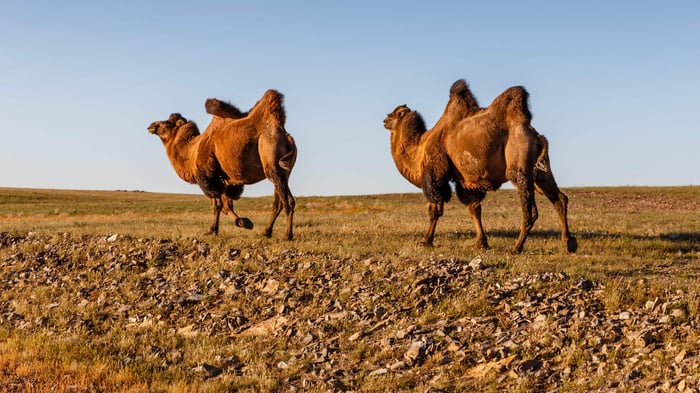
Camels are extraordinary creatures. There are two principal species humans have relied on through history:
Dromedary camels (one hump), common across the Middle East and Africa
Bactrian camels (two humps), native to Central Asia
Their bodies are built for extremes. Camel humps store fat (not water), which the animal can metabolize for energy when food is scarce. Their thick fur insulates against blistering days and freezing nights, while their broad feet prevent them from sinking into sand. Even their eyes have built-in “wind shields” against blowing dust.
These adaptations didn’t just help camels survive—they made them ideal partners for humans navigating some of the planet’s harshest terrain.
Ancient Civilizations and the Domestication of Camels
The earliest confirmed evidence of domesticated camels dates back thousands of years. Historians believe camels were first domesticated in the Arabian Peninsula and the Horn of Africa, where early humans recognized their ability to:
Carry heavy loads over long distances
Go for days without water
Provide food and materials
Archaeological and genetic research suggests that camels were integral to the rise of trade networks in antiquity, linking distant communities and facilitating cultural exchange. (Note: academic sources such as Journal of Archaeological Science and researchers in domestication history support these findings.)
Camels as “Ships of the Desert”: Trade, Travel & Exploration
Perhaps nothing illustrates the camel’s role in human survival through history better than their use in desert trade routes. Travelers and traders referred to camels as “ships of the desert” because they could carry spices, textiles, salt, precious metals, and ideas across vast, arid lands.
The Silk Road and Beyond
Caravan routes connecting Asia, Africa, and the Middle East relied on camels.
Merchants could transport goods hundreds of miles between watering holes, linking cities and markets.
These networks weren’t just about commerce—they enabled knowledge exchange, including science, religion, and art.

Without camels, many of these long-distance overland journeys would’ve been impossible. For nomadic groups especially, camels were not luxury—they were survival.
Sustenance from the Sand: Camel Milk and Food
Long before fortified beverages or sports nutrition existed, desert dwellers depended on camel milk as a vital source of hydration and nourishment.
Why Camel Milk Was Essential
Camel milk has long been valued because it:
Provides water and nutrients in one source
Offers calories when food is limited
Can be consumed fresh or fermented for longer preservation
Although modern dietary research continues to explore the full nutritional profile of camel milk, traditional knowledge across African and Middle Eastern societies underscores its importance in daily life — particularly within the camel’s role in human survival through history, where milk often provided essential nourishment in arid environments.
Today, this lineage of nourishment continues with products like our fresh camel milk. We offer camel milk bottle with care — available in both a 16 oz bottle and a 1-liter bottle —bringing an ancient staple that supported human survival through history into everyday modern use.
Fresh camel milk retains a distinctive flavor and nutrient profile that many people seek out as part of a wholesome diet, connecting modern consumers to a food that has sustained communities for generations.
Camel Products Beyond Milk
Camels provided more than milk. Parts of the animal were—and still are—used for:
Meat: Traditional protein source for many nomadic diets
Leather: Tough hides for clothing, tents, water bags, and shields
Wool and Hair: Insulation for garments and textiles
Bone and Horn: Tools and ornaments
These materials often came from the same animal that carried goods and provided nourishment, maximizing the utility of every camel in the herd.
The Camel in Culture and Spiritual Life
Camels appear throughout the folklore, religion, and artistic traditions of societies that lived with them. They show up in:
Poetry and music
Ceremonial practices
Economic symbolism in contracts and dowries
The camel is sometimes more than livestock—it’s a symbol of resilience and adaptability, values that societies in arid lands held dear.
Modern Uses and the Rise of Camel Milk Today
In the 21st century, camels still serve important roles:
Ecotourism: Camel treks and cultural experiences
Sustainable agriculture: Well-adapted livestock in arid zones
Nutrition trends: Growing interest in camel milk for its unique profile
Global markets for camel milk have expanded, in part due to interest from people seeking alternative dairy sources. While science continues to evaluate how camel milk fits into modern nutrition, its importance is deeply rooted in the camel’s role in human survival through history —particularly in regions where camels provided reliable nourishment when other food sources were scarce.
Juba Farms bridges past and present by making fresh camel milk accessible through direct ordering and thoughtful processing. In doing so, it honors the camel’s role in human survival through history while offering a practical way for modern families to experience a food that has sustained communities for generations.
Juba Farms: Bringing Camel Milk to Your Doorstep
The journey from desert pastures to your refrigerator is easier than ever. Our fresh camel milk embodies the enduring connection between human survival and camel nourishment. Whether you’re curious about traditional diets, exploring new nutritional options, or simply appreciate the history of this remarkable animal, Juba Farms offers a link to that legacy.
Choose between:
16 oz camel milk bottle: Ideal for individual use
Camel Milk (16 oz)

$39.00
$48.00
Introducing Juba Farms' Pure Camel Milk: Nature's Liquid Gold We are proud to present our 100% Pure Lightly Pasteurized Camel Milk. This incredible super drink offers a remarkable range of health benefits and is sourced from the best camel farms,… read more
1 L camel milk bottle: Perfect for families or daily routines —
Camel Milk (1 Liter)

$63.00
$78.00
Introducing Juba Farms' Pure Camel Milk: Nature's Liquid Gold We are proud to present our 100% Pure Lightly Pasteurized Camel Milk. This incredbile super drink offers a remarkable range of health benefits and is sourced from the best camel farms,… read more
Every sip connects you to centuries of human-camel partnership.
Conclusion
From ancient trade networks and navigation across endless deserts to providing essential food and materials, the Camel’s Role in Human Survival Through History cannot be overstated. These resilient animals helped shape civilizations, enabled commerce across continents, and sustained human life where few other resources could.
Today, products like camel milk from Juba Farms continue this tradition, offering a modern way to experience the nourishment people have relied on for generations. When we honor the camel’s legacy, we celebrate both human ingenuity and nature’s remarkable design.
FAQs
Why were camels so important to ancient trade?
Camels could carry heavy loads over long distances with minimal water, making them ideal for desert trade routes that connected diverse regions and cultures.
Is camel milk nutritious?
Camel milk has been valued for its hydration and nutrient content in many cultures. While research is ongoing, it’s a traditional source of nourishment in arid regions.
Where can I buy fresh camel milk today?
Fresh camel milk, like that from Juba Farms, can be ordered online in bottles sized for personal or family use.
What other products come from camels?
Camels have historically provided meat, leather, wool, and tools from bone or horn—making them versatile resources for human societies.
Do people still use camels today?
Yes, camels are still used for tourism, farming in drylands, cultural traditions, and their milk in modern markets.