



Table of Contents
- Camel Milk in Somali Life
- Historical Foundations of Camel Milk Reverence
- The Nutritional Importance of Camel Milk
- Camel Milk in Somali Social & Ceremonial Traditions
- Pastoral Life and the Central Role of Camels
- Modern Access: Our Camel Milk Products
- Integrating Tradition with Contemporary Health Needs
- FAQs
Camel Milk in Somali Life
For centuries, camel milk has been more than nourishment for Somali people — it’s a cultural cornerstone. To understand why Somali culture values camel milk so highly, we need to appreciate how environmental necessity evolved into deep tradition. In a landscape where rainfall is scarce and crops struggle, pastoral nomadism centered around camels became a way of life. Over generations, camel milk became prized for its availability and perceived strength‑giving qualities.
Yet its importance goes beyond practicality; it touches spiritual identity, community care, and even daily rituals. Today, families continue to honor these traditions while also seeking high‑quality camel milk products like those offered by us, ensuring that the cultural legacy remains vibrant and accessible everywhere.
Historical Foundations of Camel Milk Reverence
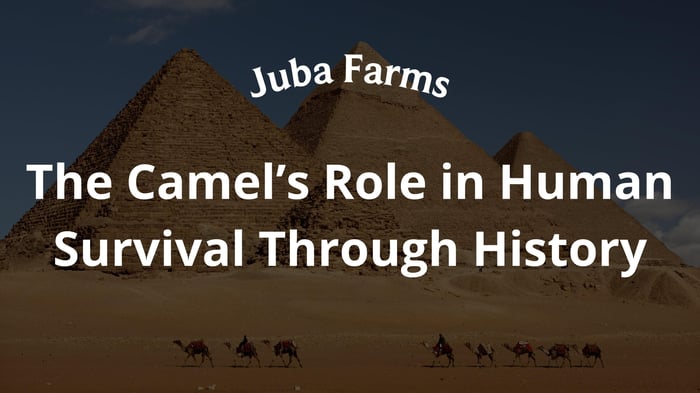
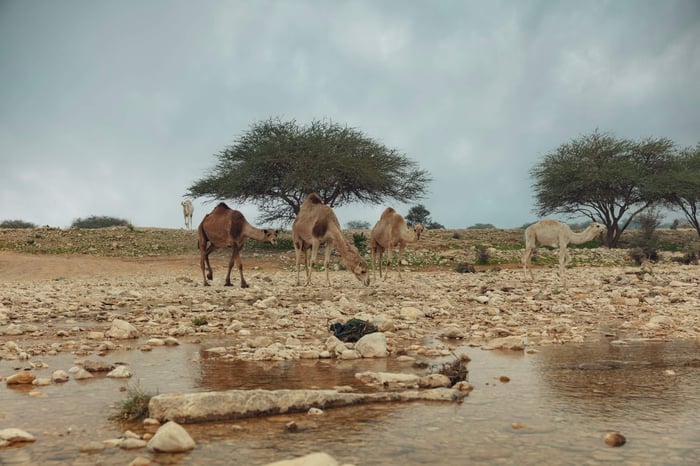
Camels have long been essential to Somali survival. In a region marked by semi‑arid plains and unpredictable weather patterns, the ability of camels to thrive where other livestock struggled made them indispensable. Historically, camel milk provided:
Reliable hydration and sustenance when water was scarce.
A year‑round food source, even during droughts.
Mobility and resilience for nomadic clans, allowing families to move with their herds in search of pasture and water.
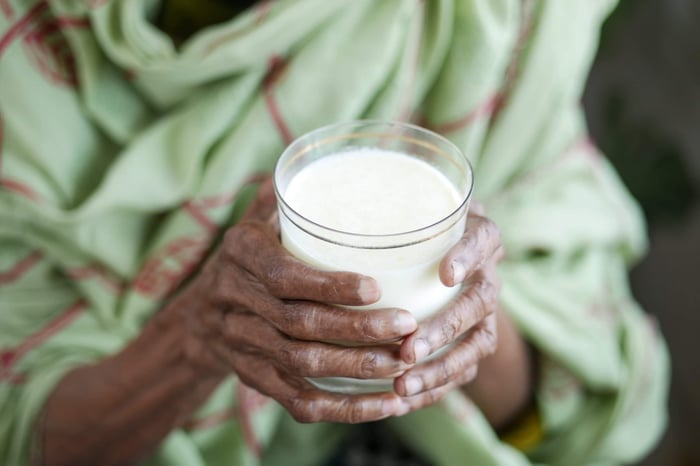
As early as childhood, Somalis learn that camel milk isn’t just food — it’s resilience in a cup. The tradition of sharing milk during gatherings, celebrations, and crises reinforced its status as a symbol of collective care. Camel milk was often served to visitors as a gesture of hospitality, and elders emphasized its nutritional value, teaching younger generations to appreciate it as both nourishment and a cultural bond.
Why Somali Culture Values Camel Milk So Highly: Beyond sustenance, camel milk also shaped social and economic structures. Herding skills, milk collection, and preservation techniques became vital knowledge passed down through generations, strengthening community ties and ensuring survival in harsh conditions. In many Somali households, camel milk remains a daily ritual — consumed fresh, fermented, or incorporated into recipes — linking modern life to centuries-old traditions.
Such deep association over generations is a key reason Somali culture values camel milk so highly — it literally represents life, community, and survival. It is more than a dietary staple; it embodies endurance, shared responsibility, and a connection to the land and heritage that has sustained Somali people for centuries.
The Nutritional Importance of Camel Milk
While environmental necessity laid the foundation, camel milk’s nutritional profile further cemented its value. Traditionally consumed fresh, camel milk served as a natural source of:
Complete hydration
Proteins and essential micronutrients
Fat‑soluble vitamins
Electrolytes to support bodily functions
In communities where access to diverse food sources could be limited, camel milk offered a form of nutrient diversity. Though modern research continues to investigate specific health impacts, camel milk’s nutrient richness is widely appreciated in pastoral cultures.
Camel Milk in Somali Social & Ceremonial Traditions
Sharing & Gift‑Giving
In Somali culture, offering camel milk is a gesture of hospitality and respect. When guests arrive, they are often greeted with fresh milk — a sign of welcome and dignity. The act is symbolic: giving the best you have to others.
Life Events and Rituals
Camel milk plays a role in many ceremonies:
Birth: New mothers receive milk for nourishment and bonding.
Weddings: Milk is part of celebratory feasts.
Blessings: In some regions, milk is shared during rites of passage.
These rituals reflect why Somali culture values camel milk so highly — it’s not just nutrition, it’s woven into milestones and meaningful moments.
Pastoral Life and the Central Role of Camels
Somali pastoral life revolves around camels. Beyond milk, camels provide:
Transport
Wealth and trade
Social status within clans
In many communities, owning more camels historically signified prosperity and resilience. Camels are not just practical assets; they are woven into the social and economic fabric of pastoral life. They shape migration patterns, determine access to resources like water and grazing land, and influence community alliances.
Why Somali Culture Values Camel Milk So Highly: This connection between livelihood and camels elevated camel milk status to more than food — it became a marker of identity, heritage, and social cohesion. Sharing camel milk in communal gatherings reinforces relationships, and its role in ceremonies underlines its symbolic importance. Understanding this context helps explain the deep cultural reverence for camel milk and why it remains central to Somali traditions even today.

Modern Access: Our Camel Milk Products
As Somali communities spread across the globe and interest in traditional foods grows, access to authentic camel milk has expanded. Juba Farms bridges this cultural heritage with modern convenience by offering fresh camel milk in carefully processed and shipped products.
Product Highlights
Fresh Camel Milk — 16 oz Bottle — a perfect daily serving, easy to store and enjoy:
Camel Milk (16 oz)

$39.00
$48.00
Introducing Juba Farms' Pure Camel Milk: Nature's Liquid Gold We are proud to present our 100% Pure Lightly Pasteurized Camel Milk. This incredible super drink offers a remarkable range of health benefits and is sourced from the best camel farms,… read more
Fresh Camel Milk — 1 Liter Bottle — ideal for families, cooking, and extended use:
Camel Milk (1 Liter)

$63.00
$78.00
Introducing Juba Farms' Pure Camel Milk: Nature's Liquid Gold We are proud to present our 100% Pure Lightly Pasteurized Camel Milk. This incredbile super drink offers a remarkable range of health benefits and is sourced from the best camel farms,… read more
We ensure that the milk retains quality while meeting contemporary safety and freshness standards. This allows families everywhere - whether rooted in Somali tradition or curious about its heritage — to experience camel milk in a form that fits modern lifestyles. By combining tradition with accessibility, we support Somali culture values camel milk so highly; even thousands of miles away from its pastoral origins.
Integrating Tradition with Contemporary Health Needs
As interest in traditional foods intersects with modern health awareness, many people are rediscovering camel milk for its:
Digestive friendliness
Unique taste profile
Nutrient diversity
Beyond these benefits, camel milk offers a bridge between heritage and modern wellness. Its long-standing use in cultures like Somalia reflects not just a dietary staple but also a connection to community and tradition. While camel milk isn’t a cure‑all, incorporating it into your diet can be a mindful way to honor these traditions while supporting general nutrition.
Products like Juba Farms’ fresh camel milk let you enjoy this time-honored drink with the convenience, safety, and quality expected in today’s health-conscious world. Whether added to smoothies, cereal, or enjoyed on its own, it’s a versatile option for families seeking both flavor and wholesome nourishment.
FAQs
Why does Somali culture place such importance on camel milk?
Somali culture views camel milk as a foundational food tied to survival, social rituals, and community care. Its reliability in harsh climates and role in hospitality help explain why Somali culture values camel milk so highly.
How is camel milk traditionally consumed in Somali societies?
Traditionally, camel milk is consumed fresh — often directly after milking — and shared among family and guests. It’s part of social visits, celebrations, and daily nourishment.
Is camel milk nutritionally beneficial?
Camel milk contains proteins, vitamins, and electrolytes valued in traditional diets. While every diet varies, many people appreciate its unique nutrient profile. For modern consumers, products like Juba Farms’ fresh camel milk offer authentic nutritional experience.
Can anyone enjoy camel milk products?
Yes! Camel milk is enjoyed by diverse populations. Those curious about traditional foods or seeking diet variety often try camel milk. Always consult a clinician for specific dietary needs.
Where can I buy authentic camel milk?
Authentic camel milk is available through trusted sources like Juba Farms, with options such as the 16 oz and 1 liter bottles for easy use at home.