



Table of Contents
- Why Picky Eaters Resist New Foods (and Drinks)
- A Brief Cultural Context: Camel Milk Isn’t “New”
- Start Small: The #1 Rule for Picky Eaters
- Taste Expectations: Be Honest (But Calm)
- Mix First, Then Blend Into Familiar Foods (A Proven Way to Introduce Camel Milk to Picky Eaters)
- Temperature Matters More Than You Think
- Make Camel Milk Part of Food, Not a Standalone “Test”
- Involve the Picky Eater in the Process
- Consistency Without Pressure
- Choosing Quality Matters
- Common Mistakes to Avoid
- FAQs
Introducing something new to picky eaters can feel like negotiating a peace treaty. Whether you’re dealing with cautious kids, texture-sensitive teens, or adults who stick to familiar foods, the challenge is real. If you’re trying to introduce camel milk to picky eaters, the good news is this: it’s absolutely doable with patience, strategy, and the right approach.
Camel milk has been consumed for centuries across East Africa, the Middle East, and parts of Asia. But for families encountering it for the first time, especially in the U.S., it can feel unfamiliar. Taste expectations, appearance, and routine all play a role in acceptance.
This guide walks through realistic, parent-tested ways to help picky eaters warm up to camel milk— without pressure, hype, or false promises.
Why Picky Eaters Resist New Foods (and Drinks)
Before talking about camel milk specifically, it helps to understand why picky eaters push back in the first place.
Common reasons include:
Unfamiliar taste or smell
Texture sensitivity
Fear of change
Past negative food experiences
Strong attachment to routine
For many kids (and adults), milk isn’t just a drink—it’s a comfort food. Switching from cow’s milk or plant-based milk to camel milk can trigger resistance simply because it’s different.
That doesn’t mean rejection is permanent.
A Brief Cultural Context: Camel Milk Isn’t “New”
One helpful mindset shift is realizing that camel milk isn’t experimental or trendy. It’s traditional.
For generations, camel milk has been part of daily diets in Somali, Bedouin, and other pastoral communities. Children often grow up drinking it from an early age. In these cultures, camel milk is simply “milk.”
Sharing this history with older kids can help normalize it. Instead of framing camel milk as something strange, you can present it as something widely trusted and familiar in other parts of the world.
That perspective alone can soften resistance.
Start Small: The #1 Rule for Picky Eaters
If there’s one rule that matters most when you introduce camel milk to picky eaters, it’s this:
Start with very small amounts.
Instead of pouring a full glass, try:
1–2 tablespoons alongside a familiar drink
A small sip offered without pressure
Mixing a small amount into something they already like
This is where smaller packaging can be helpful. For example, many families start with a 16 oz bottle of Juba Farms camel milk rather than committing to a larger size right away. It reduces waste and lowers the mental barrier for first-time tasters.
Taste Expectations: Be Honest (But Calm)
Camel milk tastes similar but not taste exactly like cow’s milk. It’s often described as:
Smooth and less sweet
A bit thinner in texture
Mild, clean, and refreshing
For picky eaters, surprises can backfire. Instead of saying, “It tastes just like regular milk!” try:
“It tastes a little different, but let’s see what you think.”
That honesty builds trust—and trust matters more than flavor tricks.
Temperature Matters More Than You Think
Many families notice picky eaters respond differently depending on temperature.
Try serving camel milk:
Well chilled
Slightly cool (not ice-cold)
Mixed into cold smoothies or shakes
Texture and temperature can be just as important as flavor, especially for sensory-sensitive kids.
Make Camel Milk Part of Food, Not a Standalone “Test”
Handing someone a glass of unfamiliar milk and watching them drink it can feel intimidating.
Instead, incorporate camel milk into foods:
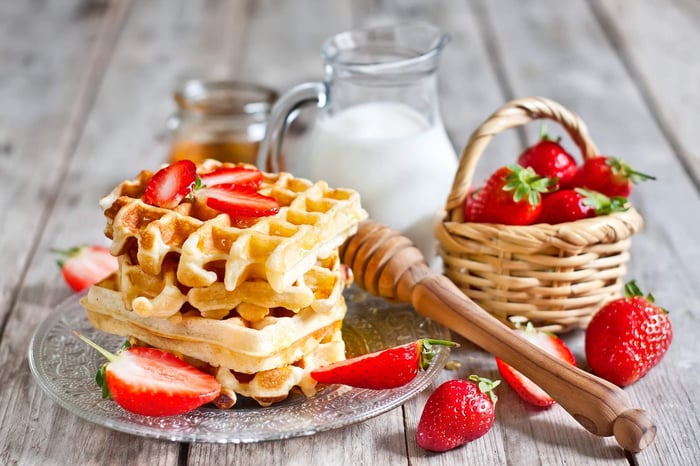
Smoothies with banana and dates
Pancake or waffle batter
Warm oatmeal
Homemade popsicles
This removes the spotlight and reframes camel milk as an ingredient, not a challenge.
Involve the Picky Eater in the Process
Autonomy goes a long way.
Let them:
Shake the bottle
Pour the milk
Choose how it’s served
Pick the cup or straw
For older kids, reading about where camel milk comes from — or exploring the Juba Farms website together — can spark curiosity and ownership https://jubafarms.com/.
Consistency Without Pressure
Picky eaters often need multiple exposures before accepting something new. One refusal doesn’t mean failure.
Tips that help:
Offer camel milk regularly but casually
Avoid bribes or ultimatums
Praise effort, not consumption
Don’t react strongly to rejection
Sometimes acceptance happens quietly, weeks later.

Choosing Quality Matters
Taste consistency matters more than many people realize. Poor handling or low-quality sourcing can make camel milk taste “off,” reinforcing negative impressions.
Our camel milk is carefully sourced and shipped frozen to preserve freshness. Families often appreciate the consistency between bottles, which makes it easier for picky eaters to build familiarity over time.
For households ready to make camel milk a regular option, the 1-liter bottle or our 16 oz bottle can be a better value once acceptance grows.
Camel Milk (16 oz)

$39.00
$48.00
Introducing Juba Farms' Pure Camel Milk: Nature's Liquid Gold We are proud to present our 100% Pure Lightly Pasteurized Camel Milk. This incredible super drink offers a remarkable range of health benefits and is sourced from the best camel farms,… read more
Camel Milk (1 Liter)

$63.00
$78.00
Introducing Juba Farms' Pure Camel Milk: Nature's Liquid Gold We are proud to present our 100% Pure Lightly Pasteurized Camel Milk. This incredbile super drink offers a remarkable range of health benefits and is sourced from the best camel farms,… read more
Common Mistakes to Avoid
When trying to introduce camel milk to picky eaters, avoid:
Forcing them to finish a glass
Comparing them to siblings
Overhyping benefits
Sneaking it in secretly (this can break trust)
Giving up after one try
Progress with picky eaters is rarely linear.
FAQs
How long does it take for picky eaters to accept camel milk?
It varies. Some accept it within days, while others need weeks of repeated, low-pressure exposure. Consistency matters more than speed.
Does camel milk taste very different from cow’s milk?
It’s different but mild. Most people describe it as slightly saltier and thinner, not strong or overpowering.
Can I mix camel milk with other foods?
Yes. Smoothies, oatmeal, and baked goods are common starting points for picky eaters.
Should I start with a small bottle?
Absolutely. Smaller bottles like the 16 oz size help reduce waste and pressure during the trial phase.
Is camel milk suitable for adults who are picky eaters too?
Yes. Many adults with strong food preferences ease into camel milk using the same gradual methods.