


Table of Contents
When comparing Raw Camel Milk vs Pasteurized, there’s more to think about than just taste. For some, raw camel milk represents tradition, freshness, and a minimally processed approach. For others, pasteurized milk offers reassurance through heat treatment and standardized safety practices. The choice between Raw Camel Milk vs Pasteurized often comes down to personal priorities — not just preference.
Raw camel milk has been consumed for generations, especially across East Africa and the Middle East. Many families value it for its natural state and fresh-from-the-source experience. In the discussion of Raw Camel Milk vs Pasteurized, raw milk is often associated with authenticity and a richer, more nuanced flavor.
Pasteurized camel milk, on the other hand, is gently heated to reduce potentially harmful bacteria. This process can slightly affect certain heat-sensitive components, but most core nutrients — including protein, minerals, and healthy fats — remain stable. When evaluating Raw Camel Milk vs Pasteurized, pasteurization is typically chosen for added peace of mind, particularly in households with children or immune-sensitive individuals.
Handling and storage also play a major role. Proper hygiene, rapid chilling, and consistent refrigeration matter whether milk is raw or pasteurized. That’s why quality sourcing is central to the Raw Camel Milk vs Pasteurized conversation. At Juba Farms, our camel milk is carefully handled and cold-shipped to maintain freshness from farm to doorstep, helping customers feel confident in what they’re drinking.
Ultimately, the decision between Raw Camel Milk vs Pasteurized depends on what matters most to you: traditional freshness, extended shelf life, convenience, or added safety assurance. In the sections ahead, we’ll break down the key differences so you can choose the option that fits your family and lifestyle best.
What Is Raw Camel Milk?
Raw camel milk is milk that comes straight from the camel and has not been heat-treated or processed. Traditionally consumed in many cultures across Africa and the Middle East, raw camel milk is valued for its fresh flavor and rich, creamy texture.
Supporters of raw milk often say it preserves the milk’s natural enzymes and unaltered nutrient profile. However, that same lack of heat treatment means it can contain bacteria and pathogens unless handled with exceptional care from milking to consumption.
At Juba Farms, we take handling seriously — and we will get into how we ensure safety later in this article.
What Is Pasteurized Camel Milk?
Pasteurized camel milk has gone through a controlled heating process designed to reduce harmful bacteria while preserving as many nutrients as possible. This method is the most common commercial approach for milk products around the world.
The goal of pasteurization is food safety without sacrificing nutritional value unnecessarily. Most people know this process from cow’s milk; the same principle applies to camel milk.
Pasteurization is especially recommended when milk is sold to a wide audience or stored for longer periods.
Key Differences: Raw vs Pasteurized
Below is a side-by-side comparison of raw camel milk versus pasteurized camel milk:
| Feature | Raw Camel Milk | Pasteurized Camel Milk |
|---|---|---|
| Processing | No heat treatment | Heat treated (mild pasteurization) |
| Safety risk | Higher without careful handling | Lower — harmful microbes reduced |
| Enzyme retention | Potentially preserved | Some enzymes reduced |
| Shelf life | Shorter | Longer |
| Availability | Limited and specialized | Wider through commercial products |
| Best for | Traditional use, raw enthusiasts | Everyday consumption |
Safety Considerations When Drinking Camel Milk
When weighing Raw Camel Milk vs Pasteurized, safety is a central factor.
Raw Milk Safety
Raw camel milk, like any raw dairy, carries the potential for pathogens such as Salmonella or E. coli if the milk isn’t handled under strict sanitary conditions. That doesn’t mean every raw milk is unsafe — but it does mean the risk is higher without rigorous handling at every stage.
If you choose raw milk, you should ask:
Was the camel milk collected hygienically?
Were the animals healthy?
Was the milk chilled immediately?
How long has it been since milking?
These questions matter because raw milk bypasses the safety check that heat treatment provides.
Pasteurized Milk Safety
Pasteurization greatly reduces the risk of harmful bacteria, making the milk safer for a broader range of people, including those with sensitive immune systems, children, and older adults.
At Juba Farms, while we don’t pasteurize our milk in-house (because we focus on the freshest raw camel milk experience), we follow strict sanitation and cold-chain practices so quality is never compromised.
Nutritional Comparison: Raw vs Pasteurized
One common argument for raw milk is that pasteurization “destroys nutrients.”
The truth? Pasteurization does slightly alter some heat-sensitive enzymes and vitamins, but the overall macro-nutrient value (proteins, fats, carbohydrates) remains similar. Many of the health-relevant compounds in camel milk — including minerals, immunoglobulins, and unique proteins — are stable under mild heat treatment.
Raw camel milk may have slightly higher levels of certain enzymes, but this doesn’t necessarily translate to health benefits that outweigh safety considerations for everyone.
Here’s what you should know:
Protein & fat: similar overall in raw and pasteurized.
Minerals: heat stable and largely unaffected.
Enzymes: raw may contain more naturally occurring enzymes.
Bioactive compounds: present in both, with some sensitive to heat.
Even with pasteurized milk, you still receive the vast majority of nutrients that make camel milk unique — like its natural electrolyte balance and micronutrients.
Taste and Texture Differences
Taste is subjective — but many people report that raw camel milk has a cleaner, slightly sweeter, more nuanced flavor compared to pasteurized.
Pasteurization can subtly change flavor and mouthfeel because heat alters some of the milk’s natural compounds.
People who enjoy fresh dairy often prefer the taste of raw camel milk. But both raw and pasteurized camel milk are considered flavorful in their own right and appreciated by different audiences:
Raw milk: creamier mouthfeel, often richer flavor nuances.
Pasteurized milk: slightly more uniform taste, with familiar dairy notes.
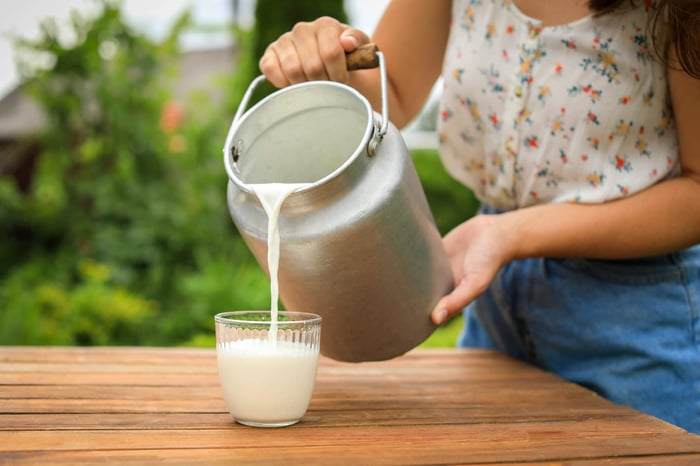
How to Choose Between Raw and Pasteurized
In deciding between raw camel milk and pasteurized, consider your priorities:
Choose Raw Camel Milk If:
You value traditional, fresh-from-the-farm flavor.
You’re comfortable with careful handling and quick use.
You seek the freshest experience possible.
Choose Pasteurized Camel Milk If:
Your priority is maximum safety and longer shelf life.
You prefer convenience and broader accessibility.
You want peace of mind for children or immune-sensitive individuals.
In either case, quality matters more than category alone. Sanitation, handling, and cold storage are essential for both raw and pasteurized camel milk.

Juba Farms Camel Milk Products
At Juba Farms, we’re proud to offer high-quality fresh camel milk products that fit naturally into this discussion of Raw Camel Milk vs Pasteurized.
Here are our core offerings:
Camel Milk (16 oz)

$39.00
$48.00
Introducing Juba Farms' Pure Camel Milk: Nature's Liquid Gold We are proud to present our 100% Pure Lightly Pasteurized Camel Milk. This incredible super drink offers a remarkable range of health benefits and is sourced from the best camel farms,… read more
Camel Milk (1 Liter)

$63.00
$78.00
Introducing Juba Farms' Pure Camel Milk: Nature's Liquid Gold We are proud to present our 100% Pure Lightly Pasteurized Camel Milk. This incredbile super drink offers a remarkable range of health benefits and is sourced from the best camel farms,… read more
Our camel milk is:
Handled with strict hygiene standards
Cold-chained from milking to doorstep
Fresh, creamy, and wholesome
We do not hyper-claim specific medical benefits, but many of our customers enjoy camel milk for its digestibility, refreshing taste, and everyday nutrition. Explore our website’s blog for information and updates about our camel milk products: https://jubafarms.com/a/blog
FAQs
Is raw camel milk safe to drink?
Raw camel milk can be safe if it’s collected, handled, and stored under hygienic conditions — but it carries a higher risk of contamination compared to pasteurized milk.
Does pasteurization reduce nutrients?
Pasteurization may slightly reduce heat-sensitive components, but nutritional value remains largely intact and safety is greatly improved.
Can children drink camel milk?
Yes, both raw and pasteurized camel milk can be consumed by children — but many caregivers prefer pasteurized for extra safety.
Does raw camel milk taste better?
Some people prefer the fresh, nuanced taste of raw milk, though this is subjective and varies from person to person.
How long does fresh camel milk last?
Raw camel milk has a short shelf life and must be kept cold. Pasteurized milk lasts longer, especially when sealed and refrigerated.