


Table of Contents
Why camel milk is called white gold is a question many people ask when they first discover this unique dairy product. Across Africa, the Middle East, and parts of Asia, camel milk has long been valued not just as a drink—but as a lifeline for communities living in some of the harshest environments on Earth.
To understand why camel milk is called white gold, it helps to look at the history of the people who depended on it. For centuries, pastoral and nomadic groups relied on camels to survive in hot, dry desert climates where other livestock struggled to thrive. Camels are incredibly resilient animals, capable of traveling long distances and producing milk even during periods of drought. Their milk provided hydration, nourishment, and a reliable food source when crops failed or fresh water was scarce.
Because of this reliability, one major reason why camel milk is called white gold is its role in survival. In desert regions where resources were limited, camel milk could sustain families for long periods of time. It was often consumed fresh, fermented, or shared among communities, becoming an essential part of everyday life.
Another important factor in why camel milk is called white gold is its economic value. For many pastoral families, camels represented wealth, stability, and long-term security. Camel milk could be traded, sold, or used to support households, making it not just a food source but also an important economic resource within local markets.
Nutrition also plays a role in why camel milk is called white gold. Camel milk contains valuable nutrients, including proteins, vitamins, and minerals that make it an appealing alternative to traditional dairy for many people today. Its slightly salty, smooth flavor and digestibility have helped it gain popularity among consumers seeking different types of milk.
Rarity is another reason why camel milk is called white gold. Camels produce significantly less milk than cows, and raising camels requires specific knowledge and environments suited to desert conditions. Because production is more limited, camel milk has become a premium product in many parts of the world.
Today, the phrase continues to explain why camel milk is called white gold as global demand grows. What was once primarily consumed in desert communities is now gaining attention internationally as more people discover its history, cultural significance, and distinctive qualities.
Let’s explore exactly why camel milk is called white gold, and why more people around the world are beginning to appreciate this remarkable dairy product.
What Does “White Gold” Mean?
The phrase “white gold” is often used to describe something that is both nutritious and economically valuable. In the case of camel milk, the nickname comes from three main factors:
High nutritional value
Limited supply
Strong economic importance for pastoral and nomadic communities
In several regions of Africa, camel milk is even considered an essential source of income for rural families. The milk is widely referred to as “white gold” because of the money it generates and the life-supporting nutrition it provides.
For many nomadic groups, camels are more than livestock—they are a survival system.
The Cultural History of Camel Milk
Camel milk has been consumed for thousands of years in arid regions including:
Somalia
Kenya
Ethiopia
Saudi Arabia
Mongolia
The United Arab Emirates
Nomadic herders often relied on camel milk as their primary food source during long desert journeys. Unlike cows, camels can survive drought conditions and continue producing milk even with limited water, making them extremely valuable animals.
In some cultures, camel milk is consumed:
Fresh
Fermented
In tea
In traditional yogurt drinks
In Somalia and other parts of East Africa, camel milk remains a daily staple and an important part of community life.
Because it helped entire communities survive harsh climates, camel milk gradually earned the respectful title “white gold of the desert.”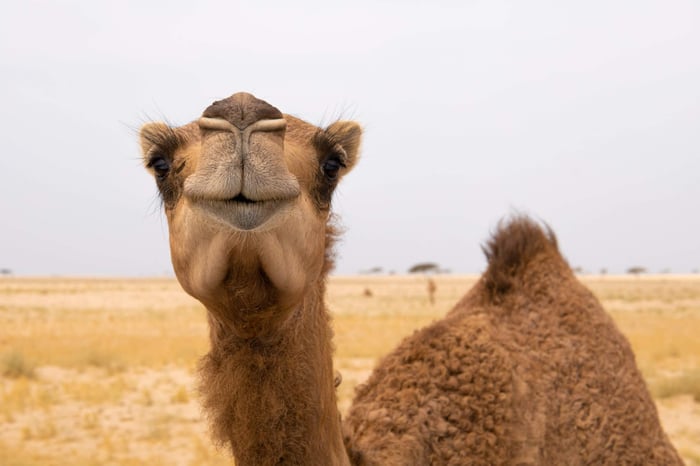
Why Camel Milk Is So Valuable
Another major reason why camel milk is called white gold is its economic value.
Compared to other livestock, camels produce far less milk. This limited supply naturally increases the milk’s value.
Camel vs Cow Milk Production
| Animal | Average Daily Milk Production |
|---|---|
| Camel | ~3–5 liters |
| Dairy Cow | ~20–30 liters |
Because camels produce significantly less milk than cows, the supply remains relatively small.
But demand is growing rapidly around the world.
Camel milk is now sold in:
North America
Europe
Australia
Asia
As awareness increases, the market continues expanding—another reason the milk has earned the nickname white gold.
Nutritional Qualities of Camel Milk
Camel milk also stands out because of its nutritional profile.
While it’s still milk, it differs from cow’s milk in several interesting ways.
Key Nutrients in Camel Milk
Camel milk contains:
Vitamin C
Calcium
Iron
Protein
Protective immune proteins
Some studies have found camel milk contains higher vitamin C levels than cow’s milk, which historically helped desert populations get nutrients when fruits and vegetables were scarce.

Camel milk proteins are also structurally different from those in cow’s milk, which is one reason some people who struggle with traditional dairy choose to try camel milk instead.
That said, like any food, individuals with health conditions should consult a healthcare professional before making major dietary changes.
Why Camel Milk Is More Expensive
When people first see the price of camel milk, they often wonder why it costs more than regular dairy.
The answer again ties back to why camel milk is called white gold.
Factors that increase camel milk prices
Lower milk production per animal
Specialized farming requirements
Limited global supply
Careful handling and shipping
Camels simply don’t produce milk at the same scale as cows. A camel might produce only a few liters per day, while a dairy cow can produce several times that amount.
Because of this, camel milk remains a premium product in many countries.
But for many people, the unique taste, cultural history, and nutritional profile make it worth trying.
Camel Milk in Modern Health-Conscious Diets
In recent years, camel milk has attracted attention from:
Health-conscious families
People exploring alternative dairy
Individuals interested in traditional foods
Part of the reason is that camel milk contains different proteins compared to cow’s milk, and it naturally includes immune-supporting compounds such as immunoglobulins and lactoferrin.
Researchers are continuing to study these components to better understand their role in nutrition.

What’s clear is that camel milk is no longer just a regional drink—it’s becoming a globally recognized food.
Where to Find High-Quality Camel Milk
If you’re curious to try this “white gold” yourself, quality matters.
At Juba Farms, camel milk is carefully sourced from trusted farms and handled with strict quality standards. The milk is shipped frozen to preserve freshness, making it easier for customers across the U.S. to enjoy authentic camel milk.
Two popular options include:
Camel Milk (16 oz)

$39.00
$48.00
Introducing Juba Farms' Pure Camel Milk: Nature's Liquid Gold We are proud to present our 100% Pure Lightly Pasteurized Camel Milk. This incredible super drink offers a remarkable range of health benefits and is sourced from the best camel farms,… read more
Camel Milk (1 Liter)

$63.00
$78.00
Introducing Juba Farms' Pure Camel Milk: Nature's Liquid Gold We are proud to present our 100% Pure Lightly Pasteurized Camel Milk. This incredbile super drink offers a remarkable range of health benefits and is sourced from the best camel farms,… read more
Whether you’re exploring camel milk for cultural reasons or simply curious about its taste, choosing a reliable source ensures you get the best experience.
Final Thoughts: The Meaning Behind “White Gold”
So, why camel milk is called white gold comes down to several powerful reasons:
It sustained desert communities for centuries
It provides valuable nutrition
It remains relatively rare
It supports pastoral economies
It continues to grow in global demand
In many ways, the name perfectly reflects the role camel milk has played throughout history—precious, nourishing, and deeply tied to cultural traditions.
Today, people around the world are rediscovering what desert communities have known for generations. If you’re curious to experience it yourself, you can explore high-quality camel milk products directly from Juba Farms by visiting https://jubafarms.com/, where fresh camel milk is carefully sourced and delivered to customers looking for this unique and traditional dairy option.
FAQs
Why is camel milk referred to as white gold?
Camel milk is called white gold because of its high nutritional value, limited supply, and economic importance for pastoral communities. In regions where camels thrive, the milk provides both food and income.
Is camel milk healthier than cow’s milk?
Camel milk contains different proteins and nutrients compared to cow’s milk, including higher vitamin C levels in some cases. However, “healthier” depends on individual dietary needs and preferences.
Why is camel milk more expensive?
Camels produce far less milk than cows, which limits supply. Combined with specialized farming and distribution, this contributes to higher prices.
Does camel milk taste different?
Yes. Camel milk typically has a mild, slightly salty taste with a smooth texture. Many people describe it as lighter than cow’s milk.
Who traditionally drinks camel milk?
Camel milk has been consumed for centuries by pastoral communities in Africa, the Middle East, and parts of Asia. It remains a staple in countries like Somalia, Kenya, and Saudi Arabia.