



Table of Contents
Making Camel Milk Kefir at home is simpler than many people expect—but it does require a slightly different approach than cow milk kefir. Camel milk has a unique structure, and understanding that difference is the key to getting good results without frustration.
If you’ve already been drinking camel milk and want to add fermented foods into your routine, kefir is one of the most approachable places to start. It doesn’t require special equipment, expensive tools, or complicated timing. Just quality milk, the right culture, and a little patience.
In this guide, we’ll walk through exactly how to make camel milk kefir step by step using Juba Farms Camel Milk, which is shipped frozen and handled carefully to preserve quality. Whether you’re using a 16 oz bottle for a small batch or a full liter for regular fermentation, this process works well for both.
What Is Camel Milk Kefir?
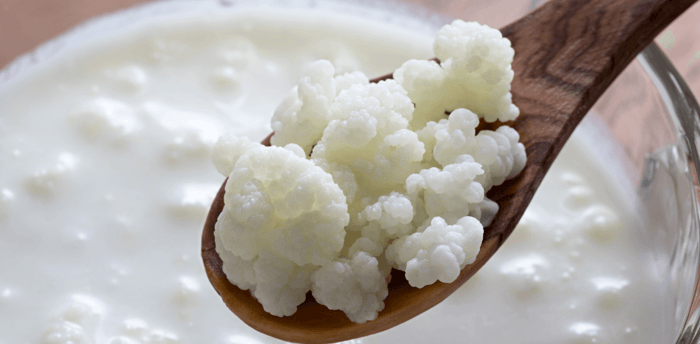
Camel milk kefir is a fermented dairy drink created by adding kefir cultures or kefir grains to camel milk and allowing it to ferment at room temperature. During fermentation, beneficial bacteria and yeasts consume some of the milk’s natural sugars, producing a mildly tangy, lightly effervescent beverage.
While the process is similar to cow milk kefir, the outcome is noticeably different. It is typically:
Thinner in consistency
Less sharply sour
Slower to ferment
This is not a failure—it’s simply how camel milk behaves.
For many cultures across Africa and the Middle East, fermented camel milk has been used traditionally as a way to preserve milk and extend its usability in hot climates. Today, people are rediscovering it as part of a modern, home-based food routine.
Why Camel Milk Kefir Behaves Differently
If you’ve ever made kefir with cow milk, the biggest adjustment is letting go of expectations around thickness.
Camel milk differs from cow milk in several important ways:
The protein structure is different, especially the casein profile
Fat globules are naturally smaller
Camel milk contains natural antimicrobial components
Because of this, camel milk kefir usually remains pourable, even when fully fermented. Some batches may separate slightly, which is also normal. A gentle stir before drinking is usually all that’s needed.
This difference is why using the right technique—and the right milk—matters.
Ingredients and Equipment You’ll Need
Ingredients
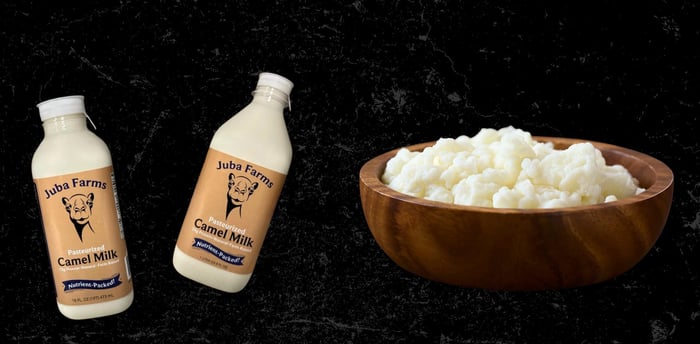
Juba Farms Camel Milk
Choose either:
16 oz bottle: https://jubafarms.com/products/fresh-camel-milk-16-oz
1 liter bottle: https://jubafarms.com/products/fresh-camel-milk-1-l
Kefir starter culture or dehydrated kefir grains
Look for cultures that work well with non-cow milk
Equipment
Clean glass jar (quart-size works best)
Breathable cover (coffee filter or clean cloth)
Rubber band
Non-metal spoon (wood or silicone)
Fine mesh strainer (only if using grains)
No special fermenters or heating tools are required.
Step-by-Step: How to Make Camel Milk Kefir
Step 1: Thaw and Prepare the Milk
If your Juba Farms camel milk arrives frozen, thaw it slowly in the refrigerator. Once fully thawed, gently swirl the bottle to recombine any natural separation. Avoid shaking hard, which can damage milk proteins.
Pour the milk into a clean glass jar, leaving about one inch of space at the top.
Step 2: Add the Kefir Culture
Add your kefir starter or grains according to the package instructions. When working with camel milk, it’s often better to start with less culture rather than more. Overloading the milk can lead to overly sour flavors.
Gently stir using a non-metal spoon to distribute the culture evenly.
Step 3: Cover and Ferment
Cover the jar with a breathable cloth and secure it with a rubber band. This allows airflow while keeping dust out.
Place the jar on the counter, away from direct sunlight or heat sources.
Typical fermentation times:
18–24 hours for a mild flavor
24–36 hours for a more tangy taste
Camel milk ferments more slowly than cow milk, so don’t rush this step.
Step 4: Check for Readiness
Your kefir is ready when:
The aroma is lightly tangy (not sharp or unpleasant)
Small bubbles may appear near the surface
The flavor is gently tart but still smooth
Consistency will remain thin. That’s expected.
Step 5: Strain and Refrigerate
If you used kefir grains, strain them out using a fine mesh strainer. Transfer the finished kefir into a clean jar with a lid and refrigerate immediately.
If you used a powdered starter culture, no straining is necessary.
The grains can be reused right away for your next batch.
Common Mistakes When Making Camel Milk Kefir
Many first-time issues come down to expectations rather than actual problems.
Here are the most common mistakes to avoid:
Expecting thick, spoonable kefir
Fermenting too long and creating harsh flavors
Using metal utensils with live cultures
Fermenting in a cold kitchen
Adding sweeteners before fermentation
If something tastes off, trust your senses. When in doubt, discard and start fresh.
How to Store and Use Camel Milk Kefir
Storage Guidelines
Store in the refrigerator with a sealed lid
Best consumed within 5–7 days
Flavor will continue to develop slowly over time
Ways to Enjoy Camel Milk Kefir
Drink it plain and chilled
Blend into smoothies with fruit or dates
Add to salad dressings for a tangy note
Use as a base for savory sauces
Many families prefer starting with small servings and gradually increasing.
Is Kefir Right for Everyone?
Kefir is a fermented food, and fermented foods affect people differently. If you’re new to camel milk or kefir, begin with a small amount and observe how your body responds.
People with dietary sensitivities or medical conditions should consult a qualified healthcare professional before adding new fermented foods to their diet.
FAQs
How long does camel milk kefir take to ferment?
Most batches take between 18 and 36 hours. Camel milk ferments more slowly than cow milk, so longer times are normal.
Why is my camel milk kefir watery?
Camel milk kefir naturally stays thin due to the milk’s protein structure. This doesn’t mean it failed.
Can I reuse kefir grains with camel milk?
Yes. Grains can be reused, though they may need a few batches to fully adapt to camel milk.
Does camel milk kefir taste sour?
It’s usually mildly tangy rather than sharply sour, especially with shorter fermentation times.
Can children drink camel milk kefir?
Many families introduce fermented foods in small amounts, but tolerance varies. Start slowly.
Camel Milk (16 oz)

$39.00
$48.00
Introducing Juba Farms' Pure Camel Milk: Nature's Liquid Gold We are proud to present our 100% Pure Lightly Pasteurized Camel Milk. This incredible super drink offers a remarkable range of health benefits and is sourced from the best camel farms,… read more