




Table of Contents
What Happens When You Start Drinking Camel Milk?
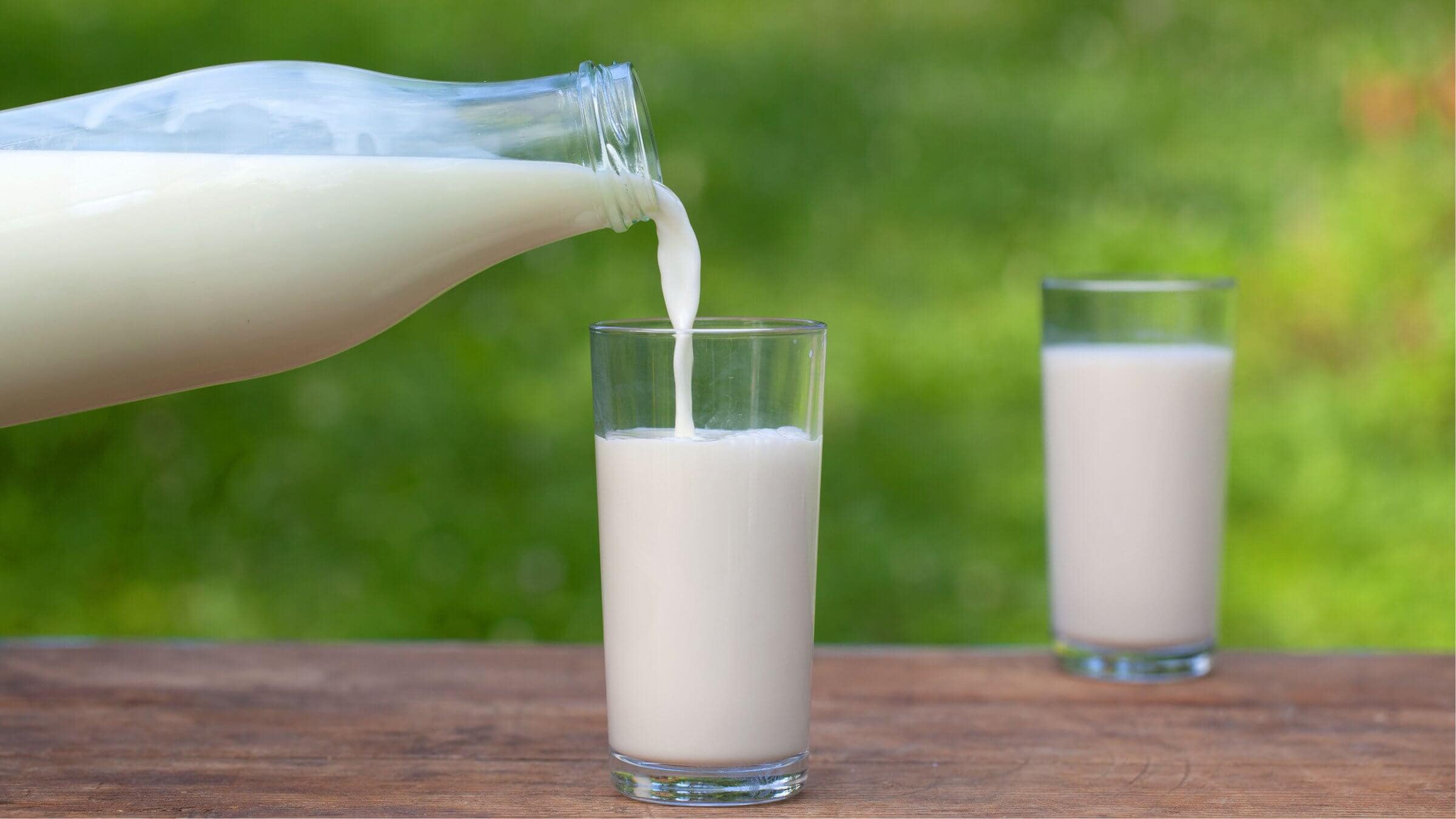
If you start drinking camel milk, you may notice that it tastes and feels different from the cow’s milk you’re used to. Some people describe camel milk as naturally mild and slightly sweet, while others notice its lighter texture and distinctive flavor right away.
But what actually happens when camel milk becomes part of your routine?
The answer depends on your individual diet, digestion, dairy tolerance, and how much you drink. Camel milk has a different nutritional composition from cow’s milk, including somewhat lower lactose levels and distinctive proteins and micronutrients. Research reviews have also highlighted its vitamin and mineral content, although the exact composition can vary depending on factors such as the animal, feed, season, and production practices.
For someone trying camel milk for the first time, the best approach is simple: start gradually, pay attention to how your body responds, and treat camel milk as a nutritious food rather than a miracle cure.
What to Expect When You Start Drinking Camel Milk
The first thing you may notice is the taste.
Camel milk has a flavor that’s familiar enough to recognize as milk but different enough to stand on its own. Many people find it mildly sweet and smooth, although taste can vary from batch to batch.
You may also notice that camel milk doesn't have exactly the same mouthfeel as conventional cow's milk. That difference is part of the experience, and it can take a few servings to get used to.
If you're new to camel milk, there's no need to drink a large amount immediately. Starting with a smaller serving gives you a chance to see how you like the taste and how your digestive system responds.
A simple starting point might look like this:
- First serving: Try a small glass with a meal or snack.
- Next few servings: Increase gradually if you enjoy it and tolerate it well.
- After that: Decide whether camel milk fits naturally into your breakfast, smoothies, snacks, or other meals.
- Keep it consistent: If you enjoy camel milk, using it regularly is generally easier than trying to make a dramatic change overnight.
The goal isn't to see an overnight transformation. It's to find out whether camel milk is a good fit for your everyday diet.
How Camel Milk May Feel Different From Cow’s Milk
One reason people become interested in camel milk is that its composition isn't identical to cow's milk.
Research reviews describe camel milk as generally containing somewhat less lactose than bovine milk, along with different protein characteristics. It also provides nutrients such as calcium, potassium, phosphorus, and vitamin C.
That doesn't mean camel milk is automatically better for everyone. It simply means that it can be a useful alternative for people who want to explore a different type of dairy.
A different dairy experience
If you normally drink cow's milk, switching to camel milk may feel noticeably different at first. You might notice:
- A different taste but shockingly similar to 2% milk
- A somewhat different texture
- A slightly different level of sweetness
- A different experience when adding it to coffee, cereal, smoothies, or recipes
- Potentially different digestive comfort depending on your individual tolerance
For families who grew up with camel milk in Somali or East African food traditions, the experience may be less about discovering something new and more about reconnecting with a familiar food in a convenient modern format.
For first-time buyers, however, the important thing is to approach it without unrealistic expectations. Your body isn't necessarily going to "detox," suddenly have more energy, or experience a dramatic health change simply because you switched milks.
Nutrition doesn't work that way.
Camel milk can contribute useful nutrients to a balanced diet, but your overall eating pattern matters much more than any single food.
Camel Milk and Digestion
Digestive comfort is one of the most common reasons people ask about camel milk.
Camel milk contains lactose, just as other dairy milk does, but research indicates that its lactose concentration is generally somewhat lower than that of cow's milk.
That distinction matters for people who are sensitive to lactose, but it shouldn't be misunderstood.
Lower lactose does not mean no lactose.
If you have lactose intolerance, you may find camel milk easier to tolerate than another milk, but individual responses vary. Some people may still experience bloating, gas, abdominal discomfort, or other symptoms.
The FDA also notes that all milk containing lactose can cause symptoms in people who have difficulty digesting lactose; pasteurization itself doesn't remove lactose.
Start slowly if you're unsure
If you're curious about camel milk but concerned about digestion, start with a modest serving rather than making it a major part of your diet immediately.
Pay attention to how you feel over the following hours. If you tolerate it comfortably, you can decide whether a regular serving makes sense for you.
If you have a diagnosed milk allergy, a significant gastrointestinal condition, or another medical concern, talk with a qualified healthcare professional before changing your dairy intake.
Camel milk is still dairy, and it shouldn't be presented as a guaranteed solution for lactose intolerance or milk allergies.
What Nutrients Are in Camel Milk?
One of the most interesting things about camel milk is its nutritional profile.
Scientific reviews have found that camel milk contains protein, fat, carbohydrates, minerals, and vitamins, with its composition differing in several respects from cow's milk. Studies have particularly noted its vitamin C content and minerals such as calcium, phosphorus, potassium, and magnesium.
Here's a practical way to think about it:
| Nutritional feature | What it means |
|---|---|
| Protein | Contributes to daily protein intake |
| Calcium | Supports normal bone and muscle function |
| Phosphorus | Important for bones and normal cellular processes |
| Potassium | An essential dietary mineral |
| Vitamin C | Camel milk is notable for its vitamin C content |
| Lactose | Present, but generally somewhat lower than in cow's milk |
| Milk proteins | Camel milk has a distinctive protein composition |
Exact nutrition can vary, so it's better not to assume that every bottle has identical nutrient levels.
And while camel milk contains interesting nutrients and bioactive compounds, it's important to separate nutrition from medical treatment. Research into possible health effects is ongoing, and camel milk shouldn't be used to replace prescribed treatment for a medical condition.
Why vitamin C gets attention
Camel milk is particularly interesting from a nutritional standpoint because research has consistently reported higher vitamin C concentrations than those typically found in bovine milk.
That doesn't make camel milk a substitute for fruits and vegetables, of course. But it is one reason camel milk has attracted nutritional interest beyond its traditional role as a dairy food.
How to Introduce Camel Milk to Your Routine
Once you've decided to start drinking camel milk, the easiest approach is to make it part of something you already do.
You don't need a complicated plan.
Try camel milk:
- With breakfast
- Alongside dates or other snacks
- In a smoothie
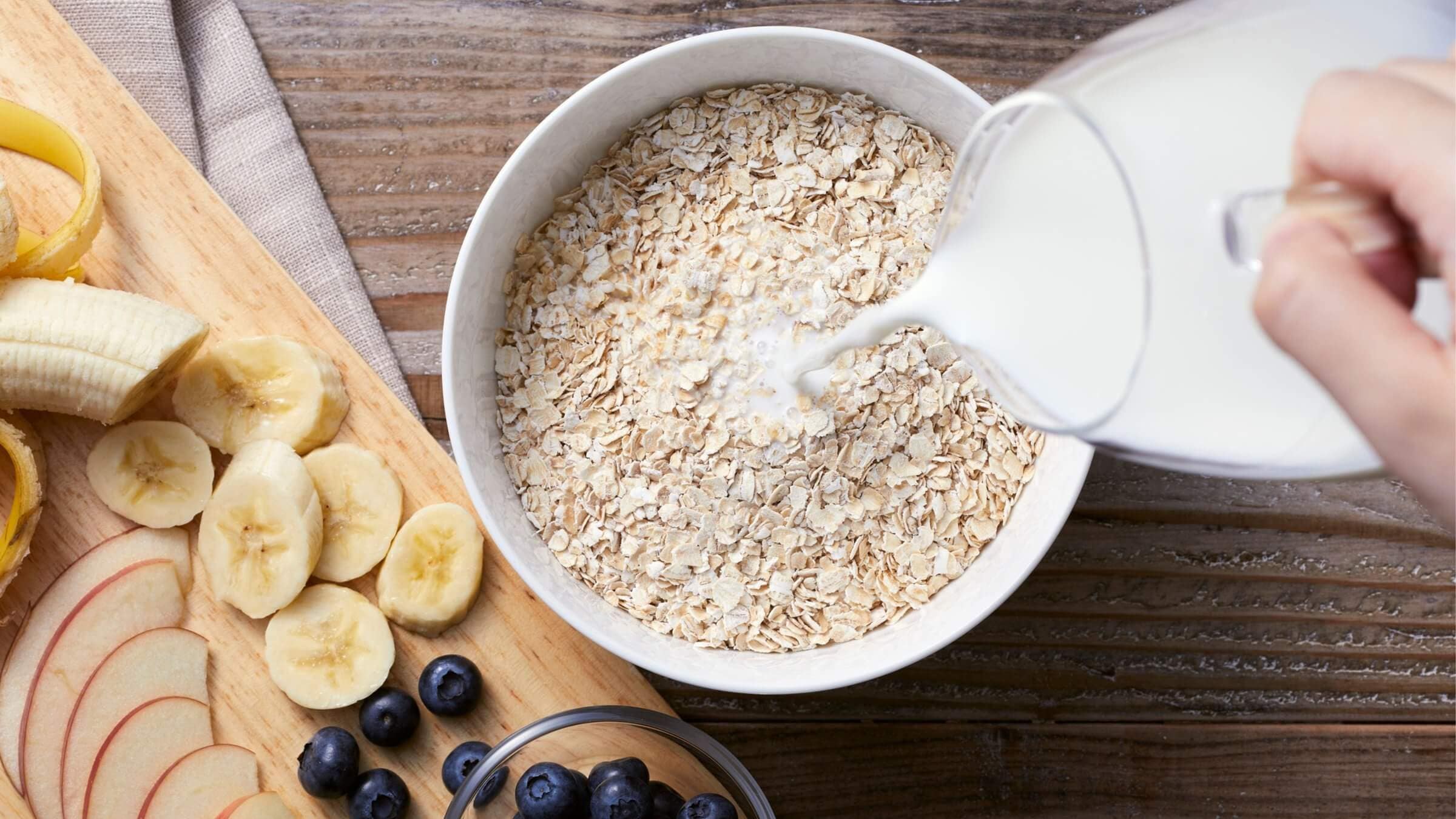
- Over cereal or oats
- In recipes that call for milk
- As a chilled drink
- As part of a family meal
For many people, the biggest challenge isn't nutrition, it's simply getting accustomed to a different taste.
Start with the 16 oz option
If you're a first-time buyer and don't want to commit to a larger bottle right away, Our 16 oz camel milk is a practical way to begin.
Camel Milk (16 oz)
$39.00
$48.00
Introducing Juba Farms' Pure Camel Milk: Nature's Liquid Gold We are proud to present our 100% Pure Lightly Pasteurized Camel Milk. This incredible super drink offers a remarkable range of health benefits and is sourced from the best camel farms,… read more

Our camel milk is pasteurized and shipped frozen in insulated packaging with dry ice. We currently ship orders on Mondays and Tuesdays so they arrive cold.
Choose the 1-liter bottle for regular use
If camel milk becomes something you want to keep in your refrigerator or freezer as part of your regular routine, the 1-liter bottle gives you a larger format.
Camel Milk (1 Liter)
$63.00
$78.00
Introducing Juba Farms' Pure Camel Milk: Nature's Liquid Gold We are proud to present our 100% Pure Lightly Pasteurized Camel Milk. This incredbile super drink offers a remarkable range of health benefits and is sourced from the best camel farms,… read more

This can make sense for households where more than one person enjoys camel milk or for someone who already knows they want to drink it regularly.
Choosing and Storing Camel Milk
If you start drinking camel milk, buying the milk is only part of the process. Proper handling at home is just as important.
When your order arrives, follow the storage instructions provided with the product. The company recommends storing the milk frozen upon arrival and explains different handling steps depending on whether the milk arrives frozen, partially thawed, or thawed but still cold.
A few practical habits can make things easier:
- Check the package when it arrives.
- Move the milk into the freezer promptly when appropriate.
- Thaw according to the product instructions.
- Keep thawed milk refrigerated.
- Shake well before drinking, since natural separation can occur.
- Follow the manufacturer's recommended consumption timeframe.
We also notes that its milk is shipped frozen and that natural separation is expected, so a quick shake before drinking can help restore an even consistency.
The Bottom Line: What Happens When You Start Drinking Camel Milk?
So, what really happens when you start drinking camel milk?
For most people, the first changes are much more ordinary than the dramatic claims you sometimes see online. When you start drinking camel milk, you may notice a different taste and texture, experience a different nutritional profile, and learn how well your body tolerates it.
Some people choose camel milk because it connects with their cultural and food traditions. Others start drinking camel milk because they're looking for an alternative to cow's milk or simply want to explore its unique nutritional composition.
If lactose is a concern, camel milk may be worth discussing with your healthcare provider. It generally contains somewhat less lactose than cow's milk, but it still contains lactose, so individual tolerance can vary.
If you're ready to start drinking camel milk, you don't have to make the change complicated. Start with a manageable amount, see how you like the taste, and pay attention to how your body responds. From there, you can decide whether camel milk deserves a regular place in your daily routine.
For those who want to start drinking camel milk at home, Juba Farms offers convenient 16 oz and 1-liter camel milk products. Our camel milk is shipped frozen with careful cold-chain handling to help ensure it arrives in good condition.
Ready to start drinking camel milk? Visit https://jubafarms.com/ to explore our camel milk products and learn more about what we offer.
FAQs
What happens when you start drinking camel milk?
When you start drinking camel milk, the most noticeable changes are usually related to taste, texture, and how your individual digestive system responds. Camel milk has a different nutritional composition from cow's milk and generally contains somewhat less lactose, but it still contains lactose.
Is camel milk easier to digest than cow's milk?
Can I drink camel milk every day?
For a healthy adult who tolerates dairy, camel milk can be included as part of a balanced diet. The appropriate amount depends on your overall diet, calorie and nutrient needs, and individual tolerance.
Does camel milk contain lactose?
Yes. Camel milk contains lactose, although studies generally report a lower lactose concentration than cow's milk. People with lactose intolerance should still pay attention to their individual response.
Is camel milk a replacement for cow's milk?
It can be an alternative dairy choice for some people, but whether it works as a direct replacement depends on your nutritional needs and tolerance. If you're managing a diagnosed allergy or medical condition, check with your healthcare professional before making the switch.