


Table of Contents
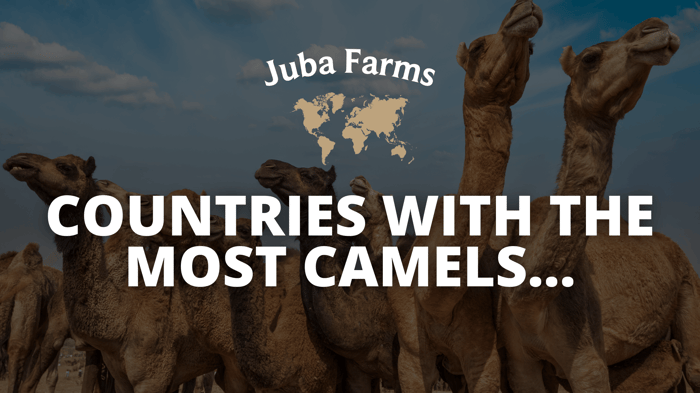
Camels are known for being tough and dependable animals. They have helped people survive in deserts and dry places for hundreds of years. But which countries have the most camels?
This article gives a simple look at the top countries with the largest camel populations. Camels are used for travel, food, and traditions. They’re more than just animals, they’re a big part of life in many places around the world. Today, we'll dive into countries with the most camels in the world.
1. Chad
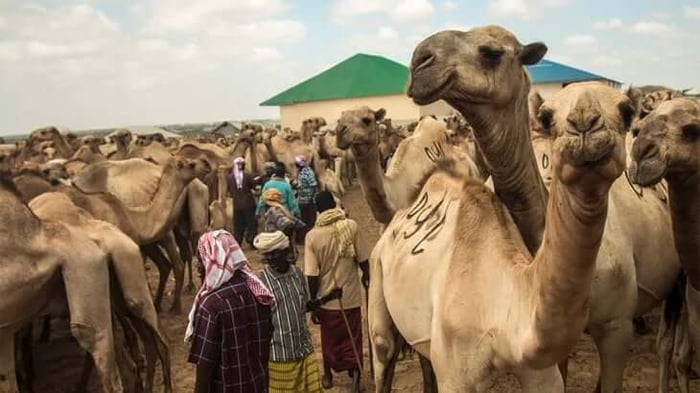
Chad has over 10.7 million camels. Like its neighbors, Chad depends on camels for moving around and for food.
Camels are also part of special events like weddings. Owning camels shows wealth and brings respect in the community.
2. Somalia
Somalia has more camels than any other country—over 7.5 million! Camels are a big part of Somali life. People use them for milk, meat, and travel.
Camel milk is very popular and sold in many towns and cities. For many families, raising camels is a way to earn money. Learning to care for camels is something passed down from parents to children.
3. Sudan
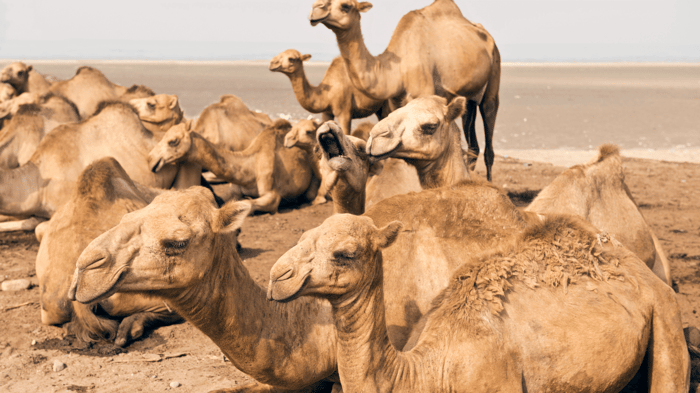
Sudan is home to about 4.8 million camels. These animals are raised for racing, milk, and meat. In parts of Sudan, camels are a daily part of life.
In the past, camels in Sudan helped traders move goods across dry areas. This is still true today in many rural parts of the country.
4. Kenya
Kenya has around 4.3 million camels. Most live in the dry north, in places like Marsabit and Turkana.
Camel milk is an important food in Kenya. It helps feed families and keeps people healthy. More programs are helping camel farmers grow their businesses.
5. Saudi Arabia
Saudi Arabia is famous for its camel culture. The country has around 2 Million camels. People use camels for racing, beauty contests, and milk.
Camel milk is sold as a health food. Saudi Arabia also supports camel farms and holds events to celebrate camels.
6. Niger
Niger has a strong camel culture, especially across its northern desert regions. The country has around 1.9 million camels. Camels are used for transport and herding, and they’re also important for meat and milk in many communities.
Camel milk is a key everyday food and livelihood product, often sold fresh in local markets and through small dairy networks in towns. Niger’s pastoral traditions (among nomadic and semi-nomadic groups) also help keep camel herding central to life and local economies.
7. Ethiopia
Ethiopia has more than 1.8 million camels. In places like the Somali and Afar regions, camels are used for carrying things and for their milk.
Camels are very important during hard times, like droughts. They can go without water longer than most animals, which makes them a smart choice for people living in dry areas.
8. Mauritania
Mauritania is well known for its desert and nomadic heritage, where camels are a central part of daily life—especially in the Sahara regions. The country has around 1.5 million camels. People rely on camels for transport and herding, and they’re also important for meat and milk.
Camel milk is commonly consumed and can be found sold fresh in local markets, supporting household nutrition and local incomes. Camels also play a big role in Mauritania’s pastoral economy and traditions, with herding practices passed down across generations.
9. Mali
Mali deserves a spot on any “camel hotspots” list, too. Many livestock estimates put Mali’s camel population around 1.3 million, making it one of the larger camel herds in West Africa.
While countries like Somalia, Sudan, and Chad often get most of the attention in global rankings, Mali is a great reminder that camel culture and camel milk traditions stretch far beyond the Horn of Africa—across the Sahel, camels are a vital part of daily life, food security, and local economies.
10. Pakistan
Pakistan is home to about 1.1 million camels. They live mostly in Balochistan and Sindh. In these areas, camels help farmers and are used for milk.
In many villages, camels are still the best way to travel where there are no good roads.
Why Do These Countries Have the Most Camels?
These countries have dry land, and camels are built for that. They can go without water for days and still keep moving.
In many of these places, camels are part of the culture. People use them in daily life—for food, for travel, and in special traditions.
Camels and Camel Milk in the World Today
Camel milk is getting popular around the world. People like it because it’s easier to digest than cow milk.
Countries with the most camels are now producing more milk for export. Companies like Juba Farms in the U.S. work with farmers who treat their camels well and follow food safety rules.
Camel Milk in Culture and Economy
Camels are not only known for their ability to survive in tough climates—they are also central to the cultures and economies of many countries. In places like Somalia, Ethiopia, and Sudan, camels are more than a source of milk and meat. They are signs of wealth, important in ceremonies, and even used in dowries.
Today, camel milk is being sold in stores and online, showing how this traditional food is now part of the modern market. With more interest in natural and healthy foods, camel milk is gaining new fans around the world. And as the countries with the most camels grow their production, we are likely to see even more of this unique milk in kitchens worldwide.
The Role of Camels in Climate Adaptation
Camels are more than just animals used in farming or transportation, they are part of a smart way to adapt to climate change. In dry and hot places where crops don’t grow well and water is hard to find, camels are often the most reliable animals.
They can survive on dry grass and go without water for many days. This makes them ideal for families and communities facing long dry seasons or droughts. In East Africa, local groups are even training more people in camel care as a way to deal with changing weather and food shortages.
Programs that promote camel milk are also helping women and small-scale farmers earn income. With growing interest in camel milk’s nutrition, this is opening up new markets and bringing jobs to camel-rich regions.
Final Thoughts
Camels are more than just animals. They are helpers, providers, and cultural symbols. From Africa to the Middle East and even parts of Australia, they play a big role in people’s lives.
Knowing which countries have the most camels helps us see how important these animals are. They’re still making life better for millions of people.
Want to try camel milk from trusted U.S. farms? Click the button below to try it today. At Juba Farms we guarantee you 100% pure camel milk, at the best prices in the U.S. with a cold delivery guarantee.