


Table of Contents
- The Role of Camels in Somali Culture
- Why Camel Milk Became a Symbol of Hospitality
- Sharing Milk as an Expression of Generosity
- Camel Milk, Community, and Cultural Memory
- Bringing a Somali Tradition Into Modern Homes
- Why Camel Milk in Somali Hospitality Matters to Us
- Why This Tradition Still Matters
- A Tradition That Continues Across Generations
- FAQs
For generations, camel milk in Somali hospitality has represented much more than something offered to drink. It can be a gesture of welcome, generosity, respect, and connection. When a guest arrives, offering milk can communicate something simple but meaningful: you’re welcome here, and what we have is meant to be shared.
That symbolism makes camel milk an important part of understanding Somali culture. Its significance comes not only from the milk itself, but from the relationship Somali communities have traditionally had with camels, pastoral life, family, guests, and community.
Today, Somalis around the world continue to maintain connections with these traditions while adapting them to modern life. For families living far from the Horn of Africa, products such as Juba Farms camel milk can provide a convenient way to keep a familiar food and cultural tradition part of everyday life.
The Role of Camels in Somali Culture
To understand camel milk in Somali hospitality, it helps to first understand the importance of camels themselves.
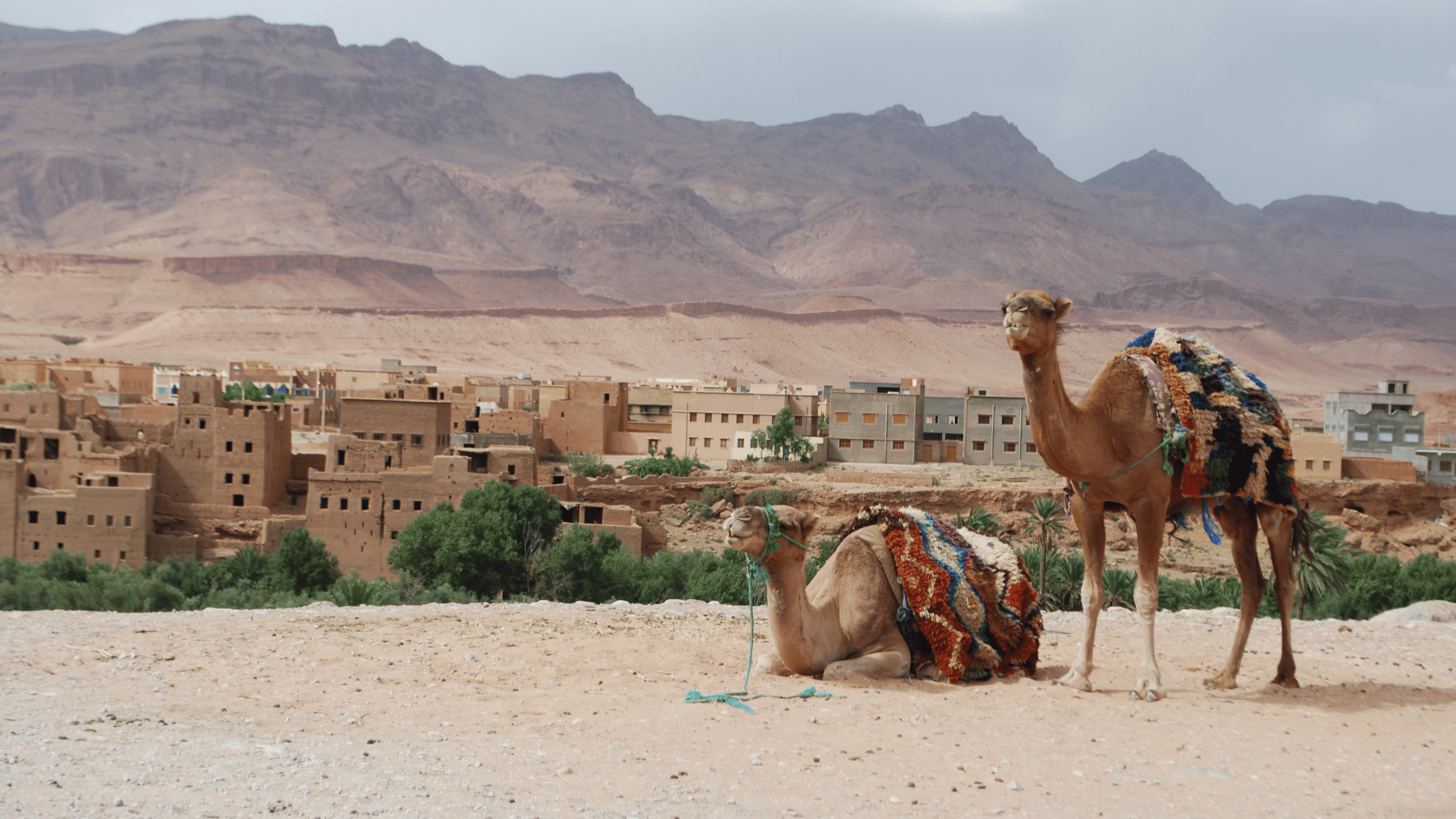
Camels have historically been central to Somali pastoral life. They provide milk and meat, can be used for transportation, and represent an important form of livelihood and wealth. Their ability to live in dry environments has made them particularly valuable to communities whose lives have long been shaped by changing rainfall, pasture, and water availability.
The Food and Agriculture Organization describes camels as an integral part of Somali identity and livelihood. A Somali camel herder featured by the FAO explained that his family drinks camel milk, consumes camel meat when needed, and sells camels for additional income.
That relationship helps explain why camel milk carries emotional and cultural meaning beyond nutrition.
For pastoral families, milk wasn't simply another item on the table. It could represent the work of herding, the health of the animals, the availability of pasture, and the ability of a family to provide for itself and others.
In other words, a cup of camel milk could carry a story.

A food shaped by the environment
Somali pastoral traditions developed in an environment where adaptability mattered. Camels are particularly suited to arid conditions, and their milk has historically been an important part of pastoral diets.
Research on camel dairy systems in Somalia has documented the traditional importance of camel milk and its consumption both fresh and in fermented forms.
This environmental connection is part of what gives camel milk its cultural weight. It represents not only food, but resilience and the ability to make a living in challenging conditions.
Why Camel Milk Became a Symbol of Hospitality
Hospitality is deeply valued across Somali communities. Welcoming visitors, sharing food, talking together, and making guests feel comfortable are important parts of social life.
Within that setting, camel milk in Somali hospitality takes on a symbolic role.
Offering milk to a visitor can communicate generosity because the host is sharing something valuable. In pastoral communities, milk was connected directly to the family's animals and daily work. Giving it to someone else therefore had meaning beyond simply providing refreshment.
Historical research on Somali pastoralists has specifically documented the practice of proudly offering camel milk to guests. One study of Ceeldheer pastoralists described camel milk as a highly valued food and connected hospitality with everyday nomadic life.
The gesture can be understood through several ideas:
- Welcome: The guest is received and included.
- Generosity: The host shares what they have.
- Respect: Offering food or drink acknowledges the importance of the visitor.
- Community: Sharing creates a moment of connection.
- Heritage: The practice links everyday life with generations of tradition.
This is why the symbolism shouldn't be reduced to the milk alone. The act of offering it matters just as much.
Hospitality is about the gesture
Imagine arriving at a Somali household after a long journey. A drink is offered, conversation begins, and the host makes an effort to make you comfortable.
The experience isn't only about satisfying thirst. It's about recognition.
Food and drink often serve this role across cultures, but camel milk in Somali hospitality has a particularly strong connection to pastoral identity. The drink connects the guest to the host's household, livelihood, and cultural history.
That makes it a powerful symbol of welcome.
Sharing Milk as an Expression of Generosity
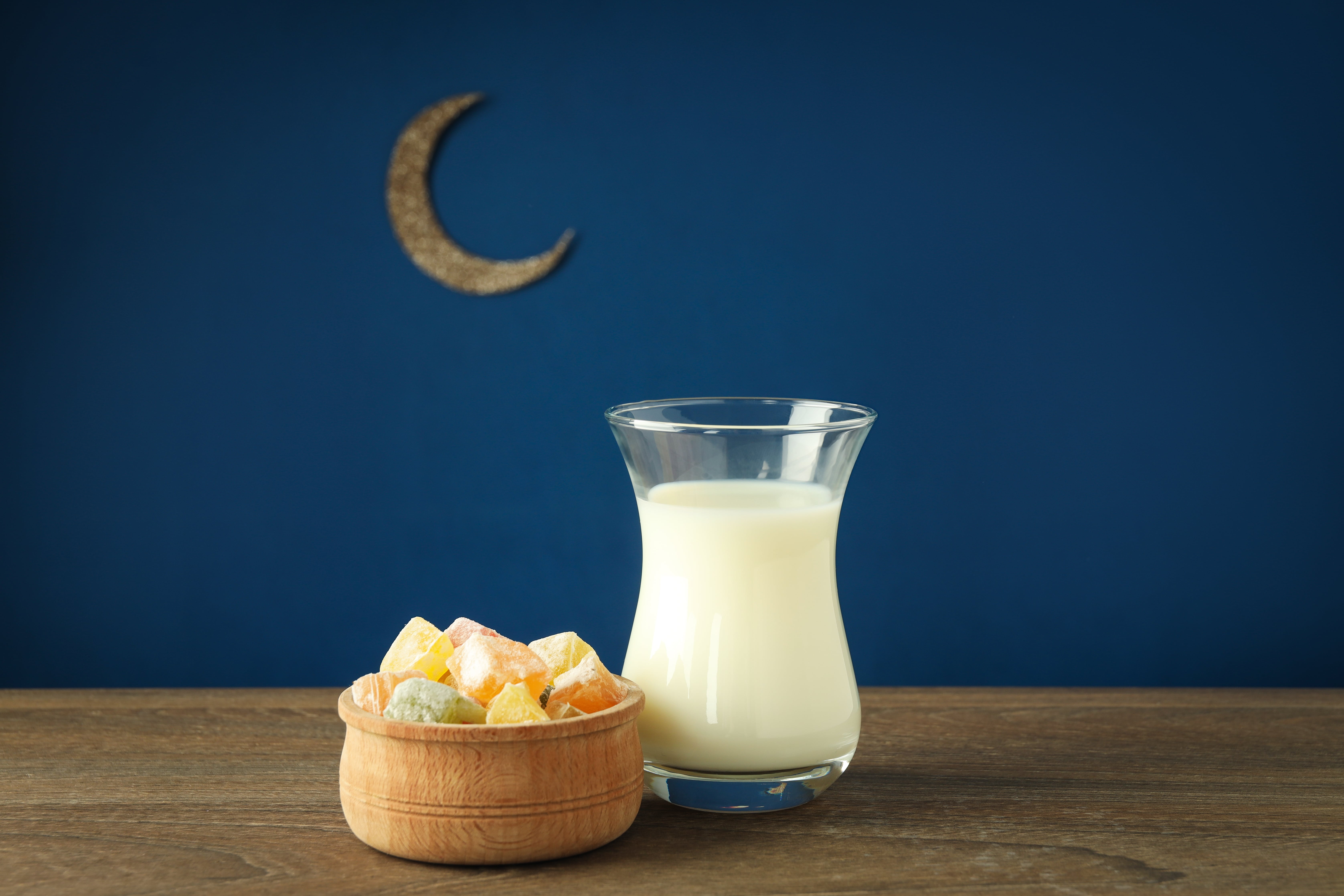
One of the most interesting aspects of Somali camel culture is the way material resources can carry deep social meaning. Camel milk in Somali hospitality is a good example of how a simple food can represent generosity, connection, and respect within a community.
If a family has access to camel milk, sharing it can strengthen relationships and create a sense of belonging. In the context of camel milk in Somali hospitality, a visitor isn't simply being given something to consume; they're being welcomed into a social space and invited to share in what the household has available.
Camel milk has also historically been associated with important gatherings and everyday community interactions. Traditional practices surrounding camel milk include fresh consumption as well as preservation through fermentation. The FAO has documented the use of souring as a traditional preservation method, particularly in arid environments where maintaining a food supply was important.
This gives camel milk in Somali hospitality another layer of meaning: camel milk could be part of ordinary daily life while also appearing in meaningful social situations. From welcoming a guest to sharing food with family and neighbors, camel milk has remained connected to the values of generosity, community, and Somali pastoral heritage.
From the pastoral camp to the family table
The cultural meaning of camel milk isn't limited to rural or nomadic settings.
Somali communities have spread across the world, including throughout North America and Europe. As families establish lives in cities and different countries, some traditions naturally change. Others remain because they provide a tangible connection to home.
Food is one of the easiest ways to maintain that connection.
A familiar flavor can bring back memories of family gatherings, conversations with elders, childhood meals, or visits to relatives. For someone who grew up drinking camel milk, having it available today can be about much more than nutrition.
It can be a small connection to a much larger cultural story.
Camel Milk, Community, and Cultural Memory
The symbolism of camel milk in Somali hospitality also reflects the broader importance of oral tradition and community memory.
Somali culture has a strong tradition of poetry, storytelling, and oral history. Camels appear frequently within Somali cultural expression, reflecting their importance to livelihoods, identity, and social life.
The FAO notes that Somali oral poetry frequently speaks about camels, while contemporary accounts from Somali camel herders continue to describe camels as fundamental to their way of life.
That cultural memory helps explain why camel milk can feel familiar even to someone who no longer lives a pastoral lifestyle.
A person doesn't need to herd camels to appreciate what camel milk represents.
It can represent:
| Symbol | What it can represent |
|---|---|
| Camel | Resilience, livelihood, heritage |
| Milk | Nourishment and daily life |
| Sharing | Generosity and community |
| Hospitality | Welcome and respect |
| Family gathering | Connection across generations |
| Tradition | A link between past and present |
These meanings aren't identical for every Somali person or family. Cultural practices vary by region, family history, generation, and personal experience. Still, the relationship between camels, milk, and hospitality is an important part of Somali pastoral heritage.
Bringing a Somali Tradition Into Modern Homes
For Somali families living outside East Africa, maintaining cultural traditions can sometimes mean finding modern ways to recreate familiar experiences.
That's where access matters.
A family may not have a camel herd nearby, but they can still enjoy camel milk at home. Parents can introduce children to a food that may have been part of their own childhoods. Someone discovering their family's heritage can learn about the role milk played in Somali pastoral communities.
We offer camel milk for modern households while keeping it connected to the tradition behind it.
Our camel milk is available in different bottle sizes, making it easier to choose according to household needs.
Camel Milk (16 oz)
$39.00
$48.00
Introducing Juba Farms' Pure Camel Milk: Nature's Liquid Gold We are proud to present our 100% Pure Lightly Pasteurized Camel Milk. This incredible super drink offers a remarkable range of health benefits and is sourced from the best camel farms,… read more

For someone trying camel milk for the first time or looking for a smaller quantity, the 16 oz bottle can be a practical starting point. A smaller bottle can also work well for individual use or for families who want to incorporate camel milk into their routine gradually.
Camel Milk (1 Liter)
$63.00
$78.00
Introducing Juba Farms' Pure Camel Milk: Nature's Liquid Gold We are proud to present our 100% Pure Lightly Pasteurized Camel Milk. This incredbile super drink offers a remarkable range of health benefits and is sourced from the best camel farms,… read more

For families or households that use camel milk more regularly, the 1-liter bottle provides a larger quantity. Whether it's enjoyed as a drink or incorporated into everyday meals, having a larger bottle can make camel milk easier to include in a household routine. Want to know more about us? Explore us at https://jubafarms.com/
Why Camel Milk in Somali Hospitality Matters to Us
Juba Farms was founded in Kansas City by brothers Ahmed Ali and Abdi Ali, and we named the company after the Juba River in Somalia. We grew up in a Somali household, listening to our parents and community elders talk about camels, milk and the way a cup of milk was offered to every guest who came through the door.
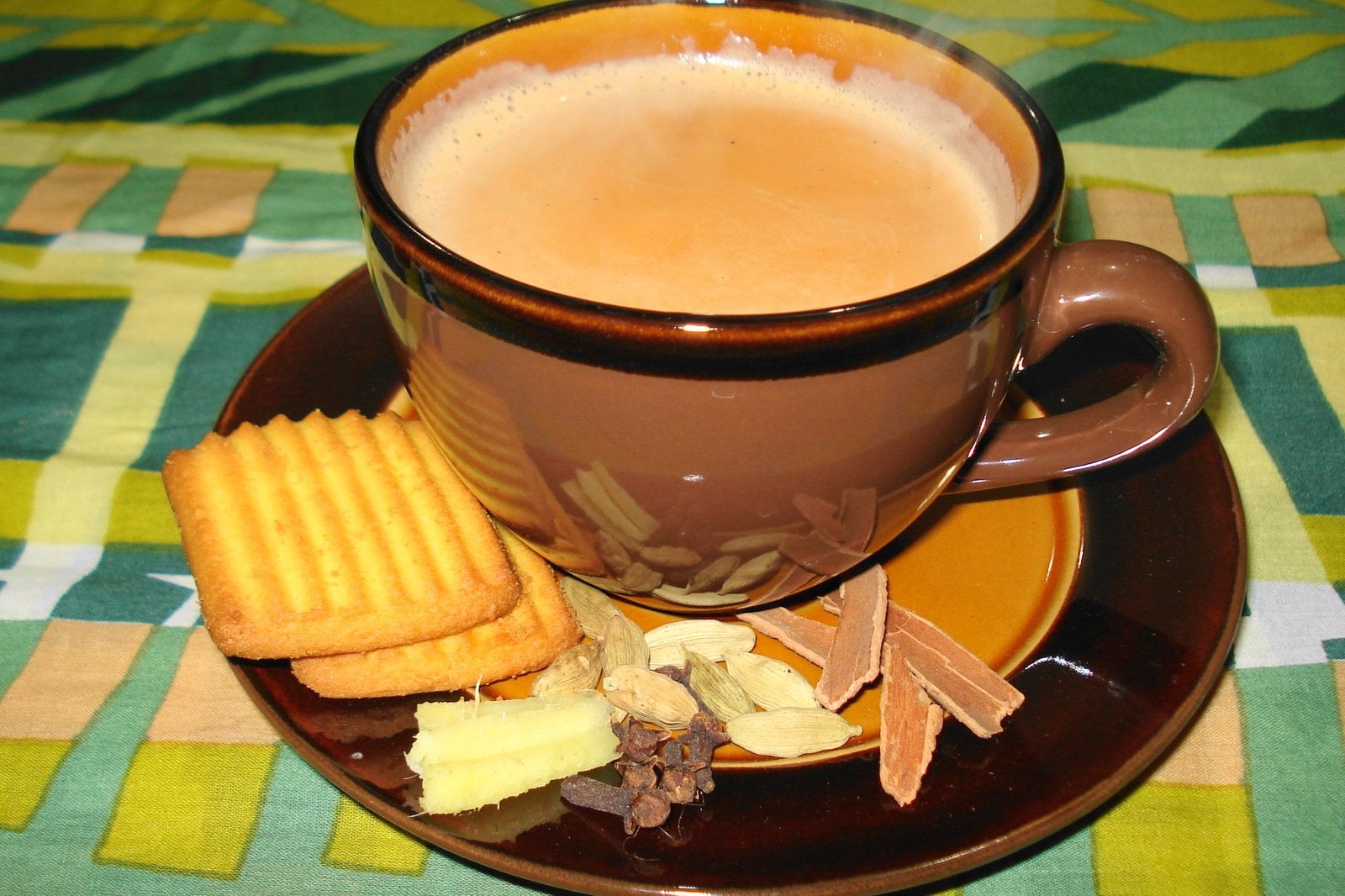
That memory of camel milk in Somali hospitality is a big part of why we started Juba Farms in November 2023. We wanted families here to be able to pour a glass for a guest, make shaah the way their grandparents did, or simply share a taste of home without a long search.
We still think of every bottle that way: something meant to be shared at the table.
Why This Tradition Still Matters
Traditions survive when people continue to give them meaning.
For Somali families, camel milk can be a reminder of grandparents, pastoral landscapes, family gatherings, and the values associated with welcoming others. For younger generations growing up outside Somalia, learning about these traditions can provide context for understanding why certain foods hold such emotional importance.
And for people who aren't Somali but are curious about camel milk, learning the cultural history adds another dimension to the experience.
Instead of seeing camel milk simply as an unusual alternative to other milks, you can understand it as a food with a long history tied to people, place, environment, and community.
That's an important distinction.
Camel milk in Somali hospitality isn't significant simply because it is camel milk. Its meaning comes from what it has represented within people's lives: nourishment, generosity, resilience, and connection.
A Tradition That Continues Across Generations
Cultural traditions don't always remain exactly the same. They evolve as people move, technology changes, and families adapt to new environments.
But the underlying values can remain.
The act of welcoming a guest, sharing what you have, respecting family traditions, and remembering where a food comes from can all continue even when the original pastoral setting is thousands of miles away.
That's part of what makes camel milk so meaningful in Somali culture.
A glass of camel milk can be an everyday drink. It can also be a reminder of a larger heritage.
For Somali families around the world, that connection can make the tradition worth preserving. And for everyone else, learning the story behind it is an opportunity to better understand the richness of Somali culture.
FAQs
What does camel milk symbolize in Somali culture?
Camel milk can symbolize hospitality, generosity, nourishment, and connection to pastoral heritage. Its meaning varies among families and communities, but sharing milk with guests has been documented as part of Somali pastoral hospitality.
Why are camels important in Somali culture?
Camels have historically provided milk, meat, transportation, and economic value for Somali pastoral communities. Their ability to live in dry environments has also made them particularly important in regions where water and pasture can be limited.
Is camel milk traditionally shared with guests?
Yes. Historical accounts of Somali pastoral communities describe camel milk as a valued food that could be offered to guests as part of hospitality. The gesture reflects the broader cultural importance of sharing and welcoming visitors.
How is camel milk traditionally consumed?
Camel milk has traditionally been consumed fresh and can also be fermented or soured for preservation. Practices vary between communities and regions.
Can Somali families living outside Somalia still enjoy camel milk?
Absolutely. Modern camel milk products make it possible for families living in other countries to incorporate the food into their homes. For some people, doing so can also provide a connection to family traditions and cultural heritage.