


Table of Contents
- Beyond Milk: Camel Milk Products, Kefir, and Gourmet Chocolates
- Camel Milk as a Versatile Ingredient
- Cooking and Baking With Camel Milk
- Camel Milk Kefir and Fermented Drinks
- Camel Milk Chocolate and Gourmet Treats
- Why Camel Milk Products Are Gaining Attention
- Where our Camel Milk Fits In
- How to Explore Camel Milk Beyond the Glass
- FAQs
Beyond Milk: Camel Milk Products, Kefir, and Gourmet Chocolates
Camel milk has a long history as a traditional food in dry and semi-arid regions, including communities across East Africa and the Middle East. Today, however, camel milk products extend far beyond a simple glass of milk.
From cultured kefir to premium chocolates and frozen desserts, camel milk is being used in an increasingly creative range of foods. These options offer an interesting way for people who already enjoy camel milk to experience its distinctive flavor and versatility in different forms.
For first-time buyers, however, it is important to understand that not every camel dairy product is widely available. Turning camel milk into kefir, chocolate, or other specialty foods can require specific processing methods and equipment.
So, what can actually be made from camel milk beyond the bottle? Let's explore some of the most interesting products and how this unique dairy ingredient is being used.
Camel Milk as a Versatile Ingredient
Camel milk isn't simply a beverage. Like other types of milk, it can be used as an ingredient in a variety of dairy and food products.
The Food and Agriculture Organization notes that camel milk has a composition broadly similar to cow's milk while also differing in several nutritional characteristics. It contains protein, fat, lactose, minerals, and vitamins, and it's traditionally consumed both as milk and in fermented forms.
Recent reviews of camel dairy production have identified a surprisingly broad range of products, including yogurt, fermented milk, milk powder, ice cream, and chocolate products.
That versatility makes camel milk particularly interesting for food lovers.
Here are just a few examples of what can be made with camel milk:
- Kefir and other fermented beverages
- Yogurt-style products
- Milk powder
- Ice cream and frozen desserts
- Chocolate and confectionery
- Traditional fermented milk drinks
- Specialty sauces and culinary preparations
Not every product is equally easy to make, however. Camel milk behaves differently from cow's milk during processing, which can affect everything from fermentation to texture.
That's part of what makes these products so fascinating.
Cooking and Baking With Camel Milk
The easiest camel milk products are the ones you make in your own kitchen. Because camel milk tastes a lot like 2% milk, it slips into recipes that already call for milk without much adjustment.
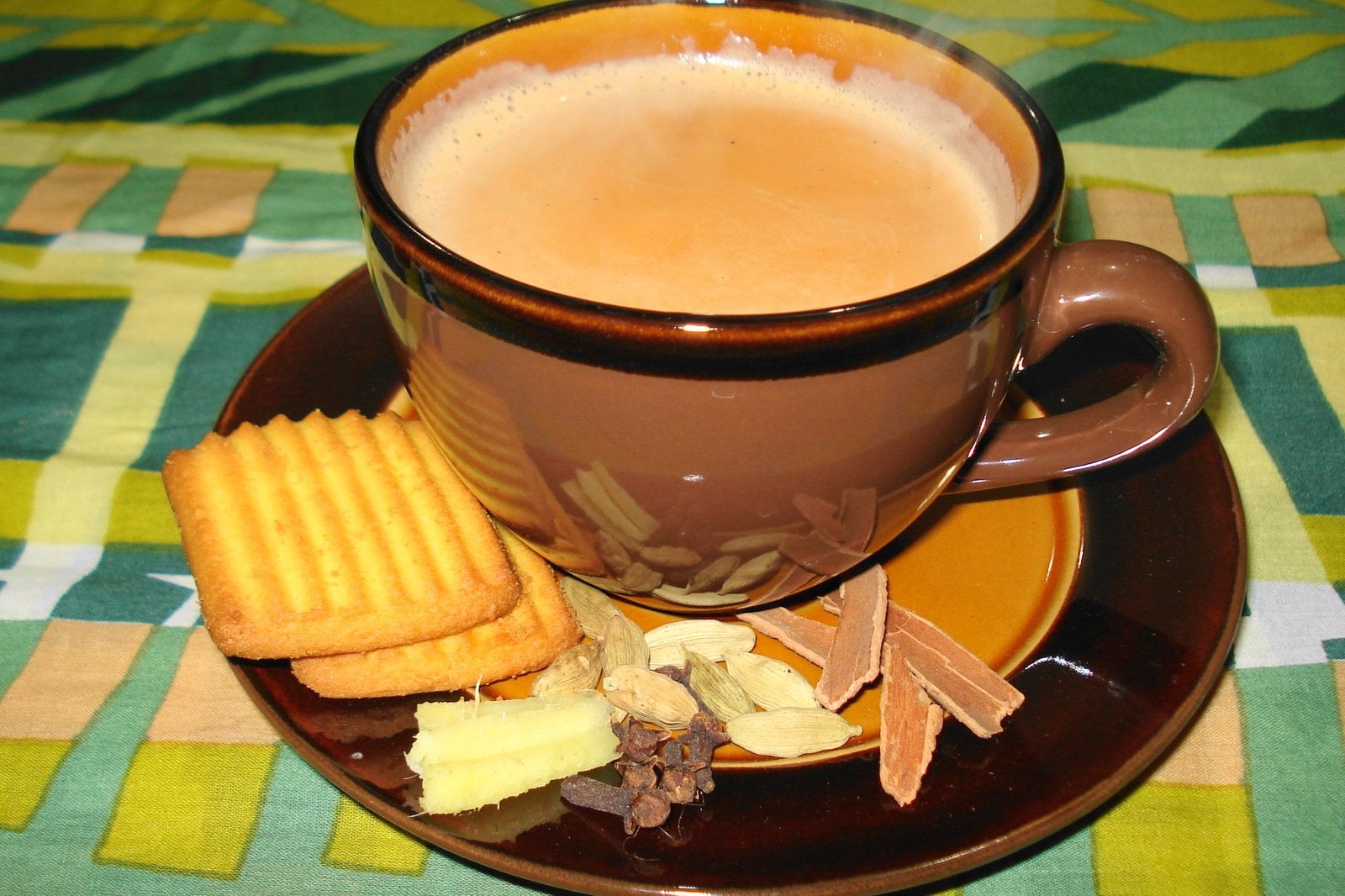
- Coffee, tea and Somali shaah
- Smoothies with banana, dates or berries
- Pancakes, waffles and muffins
- Oatmeal and overnight oats
- Creamy soups and sauces
- Rice pudding and other simple desserts
Warm it gently over low heat and stir often, the same way you would with any milk. Want somewhere to start? Try our easy camel milk recipes or our guide to camel milk tea.
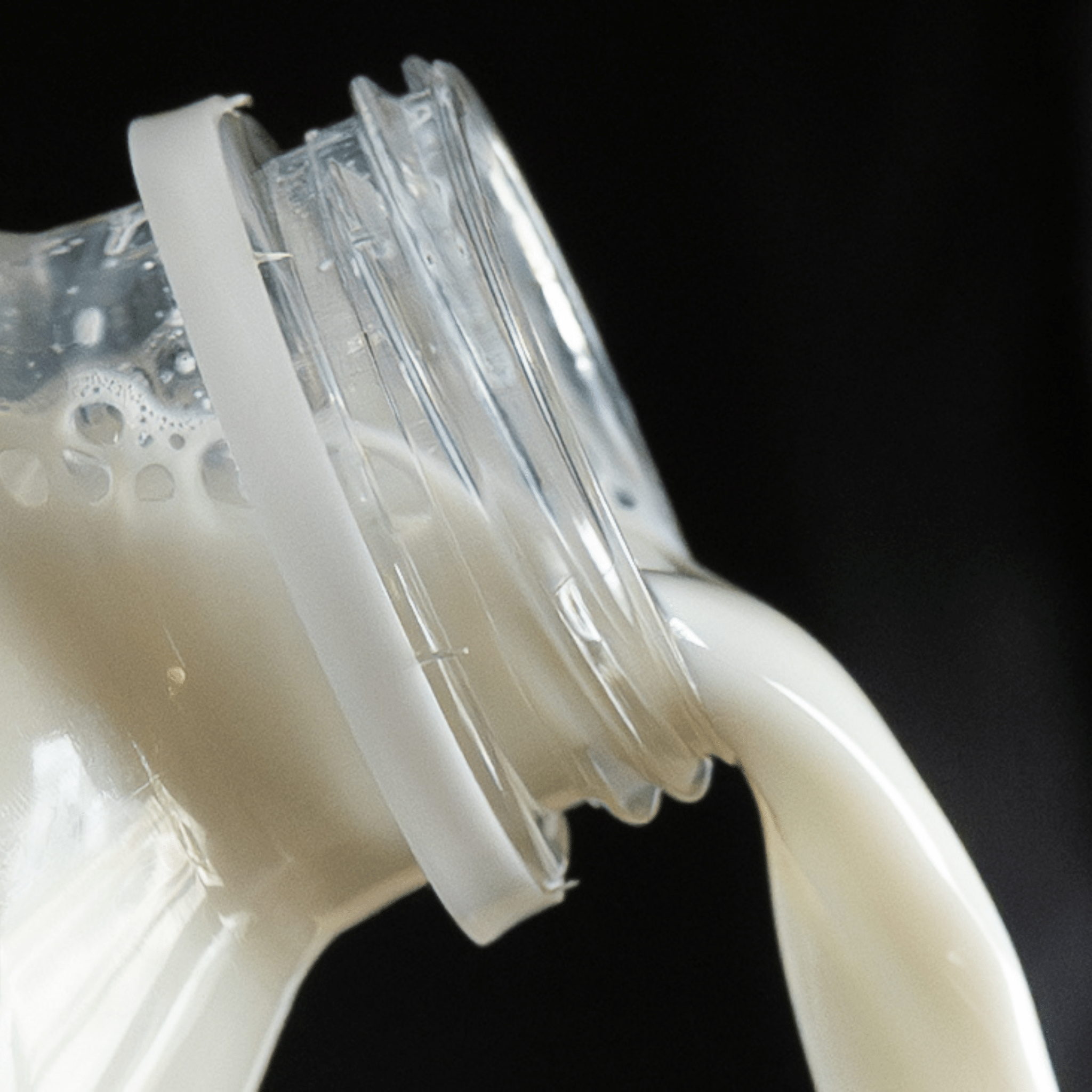
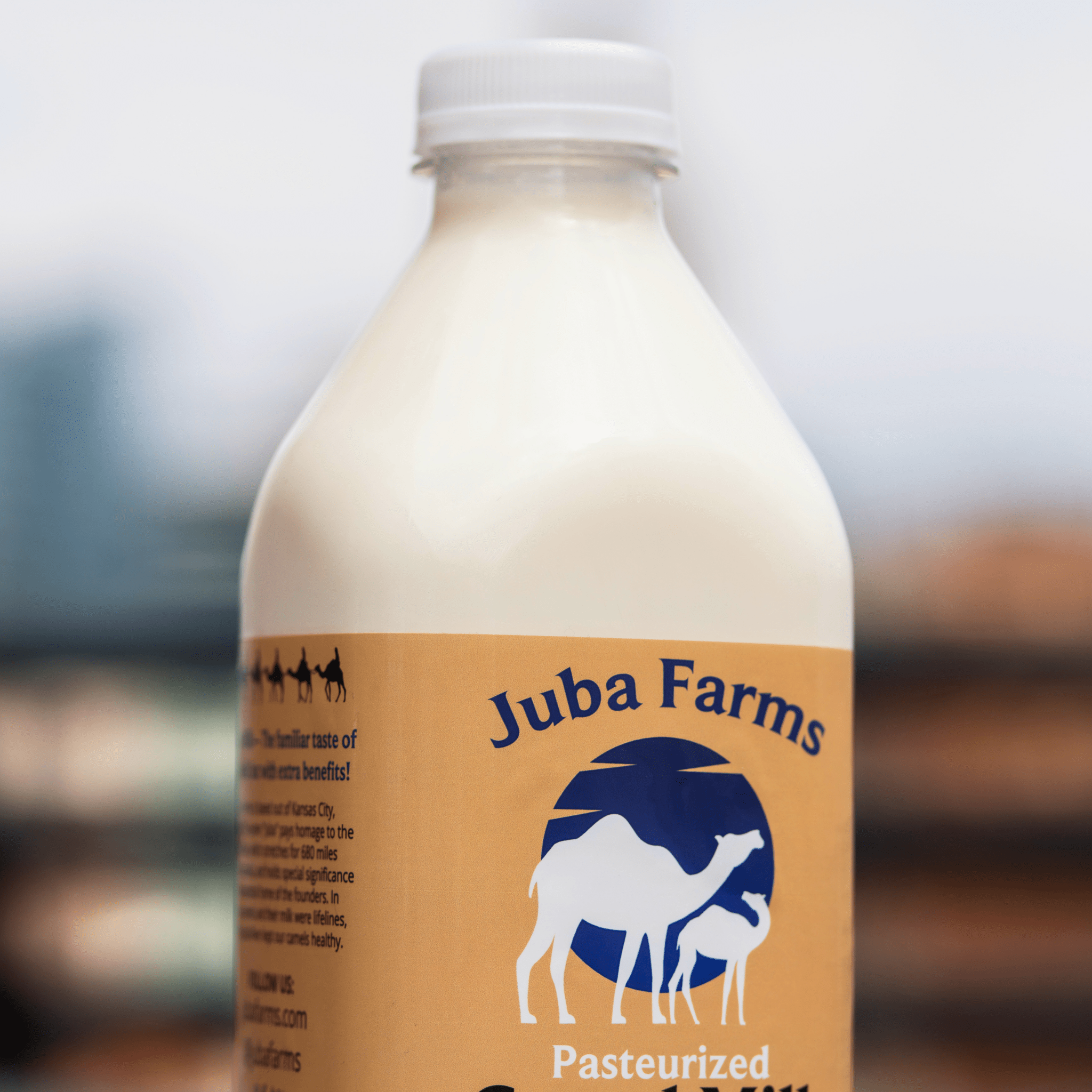
Our camel milk pours like a light 2% milk. Photo: Juba Farms.
Camel Milk Kefir and Fermented Drinks
Fermentation opens another door for camel milk.
Kefir is a fermented milk drink made using cultures containing bacteria and yeasts. During fermentation, these microorganisms change the milk's flavor, acidity, aroma, and texture.
Camel milk kefir has attracted interest as producers experiment with applying traditional fermentation techniques to camel dairy. Research into fermented camel milk continues to develop, so it's worth separating established food science from stronger health claims that aren't well supported.
In particular, kefir shouldn't be presented as a treatment or cure for a medical condition. It's better understood as a fermented food that can contain live microorganisms when produced and stored appropriately.
What does camel milk kefir taste like?
If you're accustomed to regular cow's milk, kefir, or yogurt, camel milk kefir may taste noticeably different.
Depending on the product and fermentation process, you might notice:
- A pleasantly tangy flavor
- A thinner, drinkable texture
- Mild natural sweetness
- A slightly tart finish
- Subtle characteristics associated with camel milk
Some commercial camel milk kefir products are made by fermenting pasteurized camel milk with live kefir cultures.
Fermented camel milk also has traditional roots. FAO documentation identifies fermented camel milk products as part of camel dairy traditions in multiple regions.
For anyone interested in camel milk products, kefir is a natural place to explore because fermentation gives the milk an entirely different character.
Camel Milk Chocolate and Gourmet Treats
Now for the fun part: chocolate.
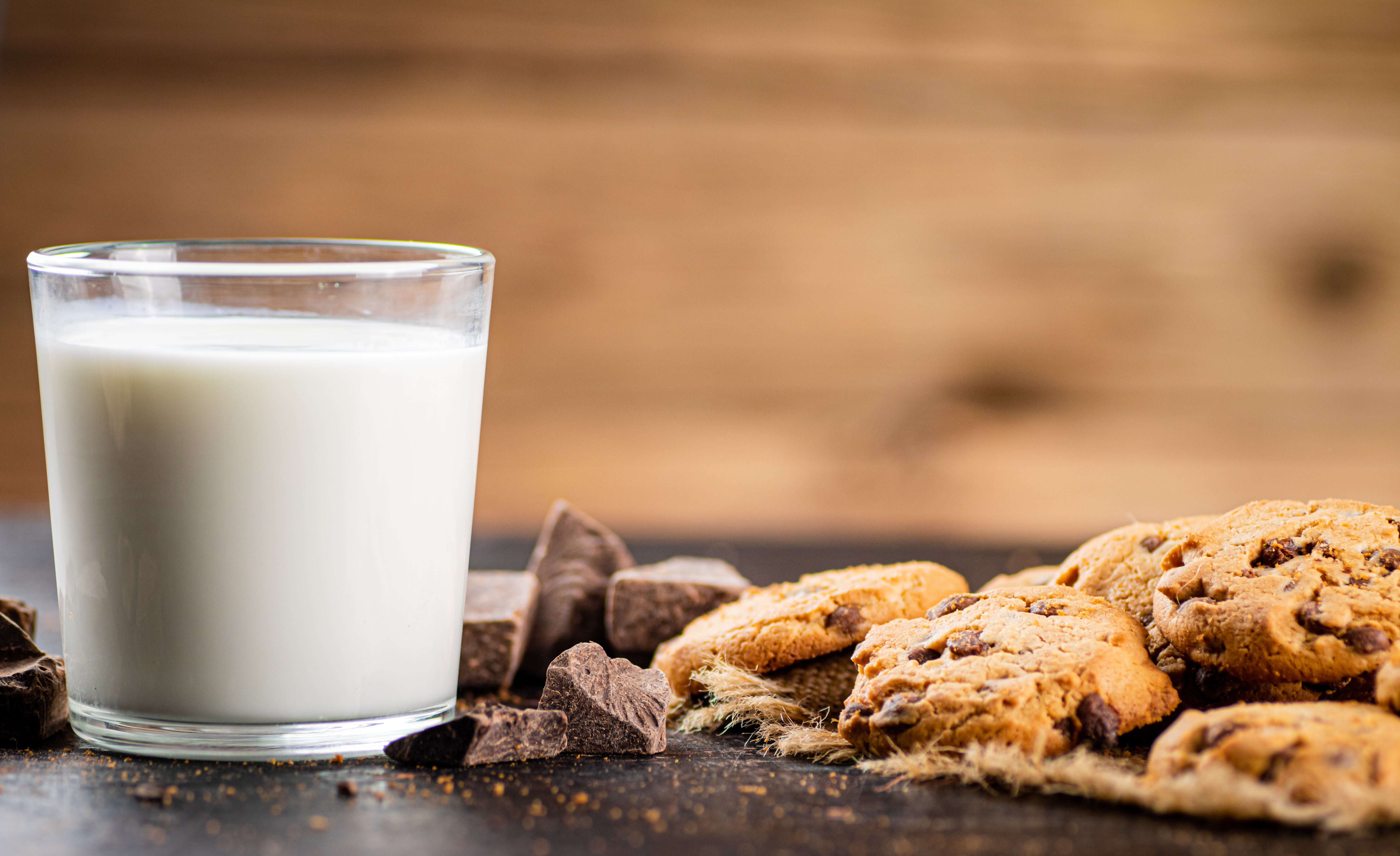
Camel milk chocolate has become one of the more recognizable examples of gourmet camel dairy. Instead of treating camel milk as something that belongs only in a traditional beverage, confectioners have incorporated camel dairy ingredients into chocolate and other sweets.
A recent review of camel milk research notes that camel milk chocolates have been developed using approaches similar to those used for conventional milk chocolate.
Camel milk chocolate can be found in specialty products ranging from simple milk chocolate bars to more elaborate gourmet combinations.
Depending on the chocolatier, you may encounter flavors such as:
- Pistachio
- Almond
- Hazelnut
- Dates
- Caramel
- Dark chocolate
- Spiced chocolate
- Filled chocolate bars
The appeal isn't necessarily that camel milk makes chocolate healthier. Chocolate remains a confection, and ingredients, sugar content, portion size, and preparation all matter.
Instead, the attraction is the combination of familiar chocolate with an unusual dairy ingredient.
For someone who has already tried camel milk, camel milk chocolate can be a fun way to experience its flavor in an entirely different format.
Why Camel Milk Products Are Gaining Attention
The growing interest in camel milk products isn't just about novelty.
Camel milk has cultural importance in many communities, particularly throughout parts of East Africa, North Africa, the Arabian Peninsula, and Central Asia. For generations, camel milk has been part of food traditions adapted to environments where camels can thrive.
Today, modern food production is building on that history.
At the same time, consumers are increasingly interested in:
- Traditional foods from different cultures
- Specialty dairy products
- Alternative dairy experiences
- Fermented foods
- Unique gourmet ingredients
- Foods with strong cultural connections
Camel milk sits at the intersection of many of these interests.
There's also an important practical consideration: camel milk products aren't necessarily interchangeable with conventional dairy products. Processing methods matter, and the finished product can vary significantly from one producer to another.
That means shoppers should pay attention to ingredients, processing information, storage instructions, and labeling rather than assuming every camel dairy product is the same.
Where our Camel Milk Fits In
This is where starting with quality camel milk matters.
If you're curious about the world of camel milk products, you don't have to begin with gourmet chocolate or a specialty kefir. Sometimes the best introduction is the original ingredient itself.
We sell fresh camel milk, pasteurized and frozen, in convenient sizes for customers who want to experience camel milk at home.
The 16 oz bottle is a practical option if you're new to camel milk or want a smaller quantity to try.
Camel Milk (16 oz)
$39.00
$48.00
Introducing Juba Farms' Pure Camel Milk: Nature's Liquid Gold We are proud to present our 100% Pure Lightly Pasteurized Camel Milk. This incredible super drink offers a remarkable range of health benefits and is sourced from the best camel farms,… read more

For households that already enjoy camel milk, the 1-liter bottle offers a larger option.
Camel Milk (1 Liter)
$63.00
$78.00
Introducing Juba Farms' Pure Camel Milk: Nature's Liquid Gold We are proud to present our 100% Pure Lightly Pasteurized Camel Milk. This incredbile super drink offers a remarkable range of health benefits and is sourced from the best camel farms,… read more

Our camel milk is shipped frozen, helping maintain quality during delivery. Customers should follow the storage and handling instructions provided with their order.
If you're interested in exploring camel milk beyond the traditional glass, the best first step is a bottle of our fresh camel milk.
Visit us at https://jubafarms.com/ to explore our fresh camel milk.
How to Explore Camel Milk Beyond the Glass
You don't need special equipment to appreciate the broader world of camel milk products.
A simple way to explore is to approach camel milk as both a traditional food and a versatile ingredient.
Start with the milk itself
Taste camel milk on its own before comparing it with other dairy products. This gives you a baseline for its natural flavor.
Explore fermented products
If you enjoy tangy dairy foods, camel milk kefir or yogurt-style products can provide a completely different experience from fresh milk.
Cook and bake with it
Swap camel milk into your coffee, oatmeal, pancakes or a pot of shaah. It is the simplest way to see how it behaves as an ingredient.
Try camel milk chocolate
For people who prefer sweets, camel milk chocolate provides one of the easiest ways to explore camel dairy in a gourmet setting.
Keep expectations realistic
Camel dairy products are still a niche category. Availability, recipes, and production methods vary, and not every product will taste or behave like its cow's milk counterpart.
That's not necessarily a drawback. It's part of what makes camel dairy such an interesting food category.
The bigger picture is that camel milk has evolved from a traditional beverage into an ingredient with applications across modern specialty food production.
And we're only beginning to see where that creativity can go.