




Table of Contents
- Is Camel Milk Easier to Digest?
- What Makes Camel Milk Different?
- Is Camel Milk Easier to Digest Than Cow’s Milk?
- Camel Milk and Lactose Sensitivity
- Camel Milk Proteins and Digestion
- Who May Want to Try Camel Milk?
- How to Add Camel Milk to Your Routine
- How to Try Camel Milk for the First Time
- The Bottom Line
- FAQs
Is Camel Milk Easier to Digest?
If you’ve ever wondered whether camel milk easier to digest is a real difference compared with cow’s milk, you’re not alone. Camel milk has been consumed for generations across North Africa, the Middle East, and the Horn of Africa, and it has become increasingly interesting to people looking for alternatives to traditional dairy.
The short answer is that camel milk may be easier for some people to digest, but it isn’t automatically easier for everyone. Its protein structure, lactose content, and overall composition differ from cow’s milk, which may help explain why some people find it more comfortable. At the same time, people with lactose intolerance or milk-protein allergies can still have reactions.
So, what does the evidence actually tell us about whether camel milk is easier to digest? Let’s look at what makes camel milk different, how it compares with cow’s milk, and what you should know if you’re considering trying it.

What Makes Camel Milk Different?
Camel milk isn’t simply cow’s milk from a different animal. Its nutritional composition and protein profile have several differences that researchers have investigated, which is one reason camel milk easier to digest has become a common question among people exploring different types of dairy.
Reviews of camel milk research report that its protein content can vary depending on factors such as the animal, feed, season, and production conditions. Camel milk also contains a different balance of casein and whey proteins than cow’s milk. One review notes that camel milk generally has a higher proportion of beta-casein and a lower proportion of kappa-casein than cow’s milk.
Why does that matter when we're talking about digestion?
Milk proteins are broken down by digestive enzymes in the stomach and small intestine before their amino acids and smaller peptides can be absorbed. Because camel milk and cow’s milk have different protein profiles, they may behave somewhat differently during the digestive process.
Lactose is another part of the conversation. Camel milk still contains lactose, so it isn’t a no-lactose alternative. However, research has reported differences in lactose levels between camel milk and cow’s milk, which may be one factor behind why some people say camel milk feels more comfortable after drinking it.
There’s also the question of how an individual responds to milk. Digestive comfort can depend on several things, including how much milk someone drinks, their ability to digest lactose, and their individual sensitivity to particular milk proteins. In other words, what feels comfortable for one person may not feel the same for someone else.
Camel milk also has a naturally distinct taste and texture. For people accustomed to cow’s milk, the flavor can take a little time to get used to. Some describe it as slightly sweet or less familiar than traditional dairy, while others enjoy its distinctive character right away.
These differences give us a reasonable scientific basis for asking whether camel milk is easier to digest, but they don't mean everyone will experience the same result. The best way to think about it is that camel milk has a different composition that may affect how some people experience digestion, not that it is automatically easier for everyone.
Is Camel Milk Easier to Digest Than Cow’s Milk?
There is evidence that camel milk has characteristics that could make it more comfortable for some people, but “easier to digest” is not a universal medical conclusion.
One factor researchers have looked at is the protein composition. Camel milk has a different casein profile from cow’s milk, including a relatively higher proportion of beta-casein. Research reviews have suggested that these differences may influence how camel milk proteins are broken down during digestion.
Camel milk also differs from cow’s milk in other components, including its whey proteins. These differences can affect the way milk forms a protein network during processing and digestion.
But there’s an important distinction:
Digestibility is not the same thing as tolerance.
A food can be digested normally but still cause symptoms in someone with an intolerance or allergy. Likewise, a person may simply prefer how one type of milk feels after drinking it.
That’s why it’s more accurate to say that camel milk may be easier to digest for some individuals, rather than claiming that it is easier for everyone.
Recent research reviews also describe camel milk as having generally lower lactose levels than cow’s milk, although the exact composition can vary.
Camel Milk and Lactose Sensitivity
Lactose is the naturally occurring sugar found in milk. Your body uses the enzyme lactase to break lactose down during digestion.
When someone produces too little lactase, undigested lactose can reach the large intestine, where bacteria ferment it. This can contribute to symptoms such as bloating, gas, abdominal discomfort, or diarrhea.
Because camel milk can contain somewhat less lactose than cow’s milk, some lactose-sensitive people may find it more comfortable. However, camel milk still contains lactose.
That means camel milk is naturally lower in lactose, not free of it, and it isn't automatically suitable for someone with lactose intolerance.
The amount of lactose that a person can tolerate also varies considerably. Someone who has mild lactose sensitivity may be able to drink a small serving comfortably, while another person may need to avoid lactose-containing dairy altogether.
If you have diagnosed lactose intolerance, consider starting with a modest serving and paying attention to how your body responds. If symptoms are persistent or significant, talk with a healthcare professional or registered dietitian.
And if you have a confirmed milk-protein allergy, don't assume that switching from cow's milk to camel milk is safe. Milk allergies involve immune responses to proteins, not simply difficulty digesting lactose.
Camel Milk Proteins and Digestion
The protein structure of camel milk is one of the most interesting reasons researchers continue to study camel milk easier to digest. While camel milk and cow’s milk both contain casein and whey proteins, their protein profiles aren’t identical.
Camel milk contains several types of casein, including beta-casein, along with whey proteins. Research reviews have reported differences in the proportions of these proteins compared with cow’s milk. These differences have attracted attention because the type and structure of milk proteins can influence how they behave during digestion.
How Milk Proteins Are Digested
So, why does protein structure matter?
When you drink milk, your digestive system doesn't leave the proteins intact. Stomach acid and digestive enzymes begin breaking milk proteins down into smaller components that can eventually be absorbed by the body.
The structure of a protein can influence how it interacts with digestive enzymes during this process. This is one possible reason researchers are interested in comparing the proteins found in camel milk with those found in other types of dairy.
Camel milk has also been studied for differences in its whey-protein composition. These characteristics may help explain why some people describe camel milk as feeling different after drinking it. However, that doesn't mean everyone will experience the same level of digestive comfort.
When people search for camel milk easier to digest, protein composition is one part of the conversation, but it isn't the whole story. Lactose content, serving size, individual tolerance, and a person's overall digestive health can all affect how milk is experienced.
What This Means for Everyday Drinkers
For everyday readers, the practical takeaway is fairly simple:
- Camel milk has a different protein profile from cow’s milk.
- Protein structure may influence how milk is broken down during digestion.
- Some people may find camel milk more comfortable to drink, although individual experiences vary.
- Research provides possible explanations for these differences, but human evidence is still developing.
- Camel milk still contains milk proteins and lactose, so it isn't automatically suitable for everyone.
- Camel milk isn't a guaranteed solution for digestive problems.
This distinction is important. Differences in protein composition can give researchers reasonable reasons to investigate whether camel milk is easier to digest, but they don't prove that everyone will digest it more easily.
What About Children?
Parents should be especially careful when considering changes to a child's diet. Camel milk is a food, but it shouldn't be viewed as a replacement for medical treatment or a prescribed infant formula simply because a child appears to tolerate it well.
For infants and children with allergies, digestive symptoms, growth concerns, or other medical needs, parents should discuss any major dietary change with a qualified healthcare professional. A pediatrician or registered dietitian can help determine whether a particular milk is appropriate for the child's age and nutritional needs.
Ultimately, the research on camel milk easier to digest is interesting because it highlights how the composition of different milks can affect digestion. But protein differences are only one piece of the puzzle. The most useful approach is to consider the full nutritional profile and, when appropriate, introduce new foods gradually while paying attention to individual tolerance.
Who May Want to Try Camel Milk?
Camel milk can be an interesting option for adults who enjoy dairy but want to explore a different type of milk.
It may particularly appeal to:
- People curious about traditional East African foods
- Adults exploring alternatives to cow’s milk
- People who find some dairy products uncomfortable but can tolerate small amounts of lactose
- Families interested in camel milk as part of a varied diet
- First-time camel milk buyers who want to understand its nutritional characteristics
For Somali and East African families, camel milk can also have a cultural connection that goes beyond nutrition. Camel milk has long been part of food traditions throughout the Horn of Africa, including Somalia, Ethiopia, Kenya, and Djibouti. Recent research continues to document its role in regional food systems and traditional consumption.
Still, tradition and personal experience shouldn't be confused with medical evidence. If you're managing a diagnosed digestive condition, it's worth getting individualized advice rather than relying on general claims about any particular milk.

How to Add Camel Milk to Your Routine
If you're trying camel milk for the first time, you don't need to make it complicated.
Start with a small serving and see how you feel. You can drink it chilled or use it in familiar foods and drinks where milk would normally be used.
Some simple options include:
- Drinking a small glass with breakfast
- Adding it to a smoothie
- Using it with cereal or oats
- Blending it with fruit
- Using it in coffee or tea
- Enjoying it alongside a snack
The goal is to find a serving size and routine that fits comfortably into your diet. If you're specifically interested in camel milk easier to digest, starting with a smaller serving can also give you a better idea of how your body responds before making it a regular part of your routine.
Keep in mind that digestive comfort can depend on more than the type of milk you choose. The amount you drink, what you consume it with, your individual ability to digest lactose, and your sensitivity to milk proteins can all play a role.
If camel milk feels comfortable for you, you can gradually work it into meals or drinks you already enjoy. There's no need to drink a large amount simply because you're trying a different type of milk.
If you're buying camel milk for the first time, product handling matters too. Keep refrigerated or frozen milk properly stored and follow the product's storage instructions. Food safety guidance emphasizes proper handling and pasteurization as important measures for reducing foodborne illness risks associated with milk.
For families ordering camel milk online, shipping and temperature control are therefore worth considering alongside taste and nutrition. Keeping the milk at the appropriate temperature from delivery through storage helps maintain its quality.
Ultimately, trying camel milk is a personal experience. While the differences in protein and lactose composition may help explain why some people find it more comfortable, camel milk is easier to digest isn't a guarantee for everyone. Pay attention to how you feel, and if you experience ongoing or significant digestive symptoms, consider speaking with a healthcare professional.
Start With a Familiar Routine
There's no need to overhaul your diet simply because you're trying camel milk.
Try it in a familiar meal, keep the serving moderate, and pay attention to how you feel. If you're comfortable with it, you can gradually incorporate it into your regular food routine rather than making a major change all at once.
If you're exploring camel milk easier to digest as an alternative to cow's milk, giving your body time to adjust can be helpful. Everyone responds to milk differently, and factors such as lactose tolerance, serving size, and individual sensitivity can influence how comfortable you feel afterward.
You might start by having a small glass with breakfast or adding a modest amount to a smoothie. This gives you an opportunity to see how camel milk is easier to digest for you personally without changing several parts of your diet at the same time.
It's also worth remembering that feeling comfortable after drinking camel milk doesn't necessarily mean it will work the same way for someone else. The question of whether camel milk is easier to digest depends on the individual, which is why personal tolerance is more useful than assuming one type of milk will work for everyone.
That approach makes it easier to distinguish your personal experience from broad claims about camel milk easier to digest and gives you a more realistic understanding of how it fits into your own diet.
How to Try Camel Milk for the First Time
If you’re curious about camel milk but have never tried it before, starting with a smaller quantity can be a practical way to see how you like the taste, texture, and overall experience. There’s no need to make a big change to your diet right away, simply try a small serving and see how your body responds.
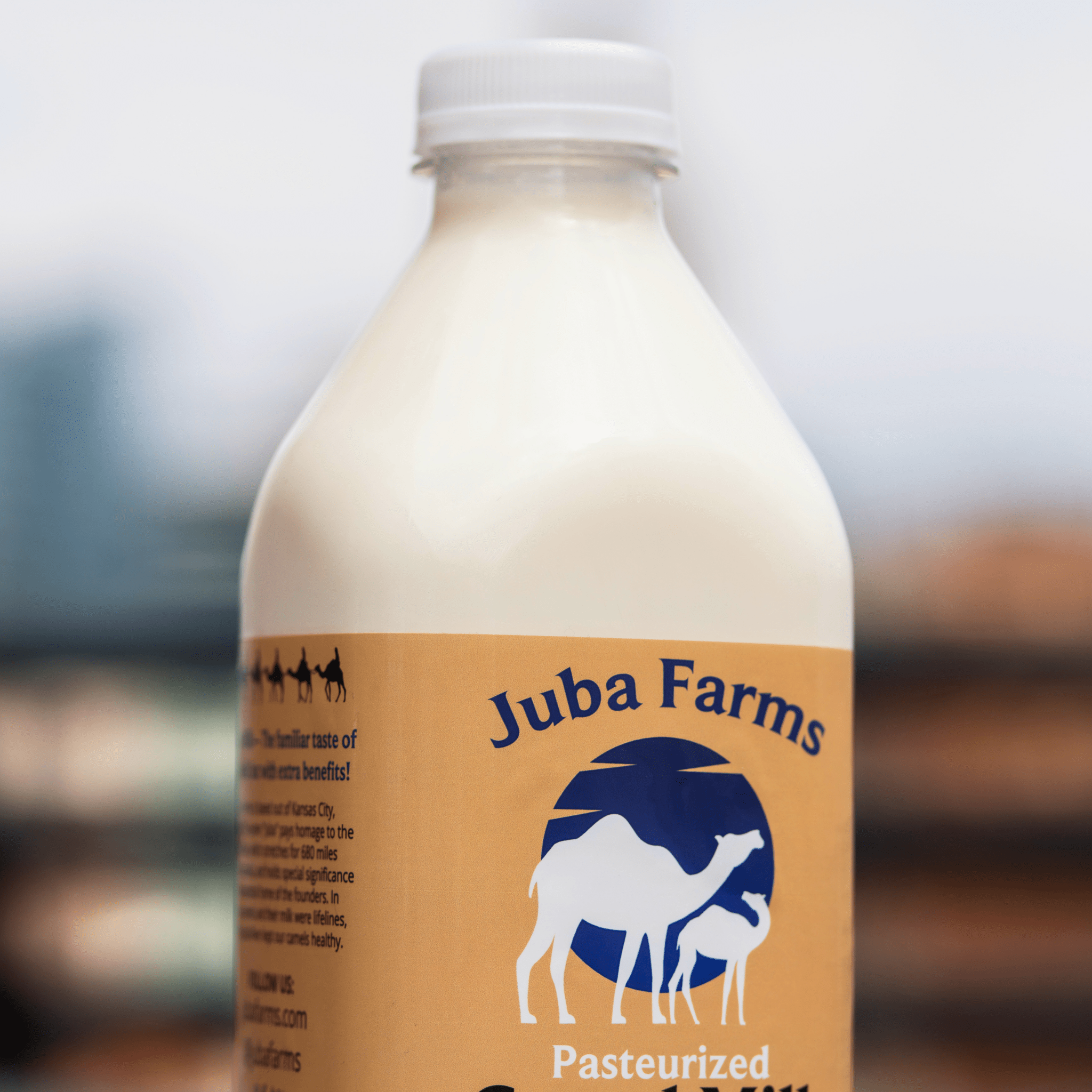
Camel milk is available in different sizes, making it easier to choose an amount that fits your household. For example, a 16 oz bottle can be a convenient starting point for someone trying camel milk for the first time, while a 1-liter bottle may make more sense for households that already enjoy it regularly.
We offer both sizes, with camel milk shipped frozen on a weekly schedule and handled with care.
Caanaha Geela dhalada ah ee Beeraha (16 oz)
$39.00
$48.00
Soo Bandhigida Beeraha Juba ee Caano Geel Saafiya: Dahab Dareere ah oo Dabiiciga ah Beeraleyda Jubba, waxaan ku hanweynahay in aan soo bandhigno wax-soo-saarkayaga saxiixa ah, 100% Caano Geel oo saafi ah. Elixir-kan aan caadiga ahayn wuxuu bixiyaa faa'iidooyin caafimaad… read more

Caanaha Geela dhalada leh ee Beeraha (1 Litir)
$63.00
$78.00
Soo Bandhigida Beeraha Juba ee Caano Geel Saafiya: Dahab Dareere ah oo Dabiiciga ah Beeraleyda Jubba, waxaan ku hanweynahay in aan soo bandhigno wax-soo-saarkayaga saxiixa ah, 100% Caano Geel oo saafi ah. Elixir-kan aan caadiga ahayn wuxuu bixiyaa faa'iidooyin caafimaad… read more

The important thing is to approach camel milk as a food you’re exploring, not as a treatment or guaranteed solution for digestive concerns. Individual experiences can vary, so give yourself time to see how it fits into your routine.
The Bottom Line
So, is camel milk easier to digest?
For some people, it may be. Camel milk has a different protein composition from cow’s milk and can contain less lactose, characteristics that may help explain why some individuals find it more comfortable after drinking.
If you've been researching camel milk easier to digest, it's important to look at the whole picture rather than focusing on a single nutritional difference. Protein composition, lactose content, serving size, and individual tolerance can all influence how someone experiences milk.
But there's no one-size-fits-all answer.
Camel milk still contains lactose and milk proteins, so people with significant lactose intolerance or milk allergies shouldn't assume they'll tolerate it. And while research into camel milk is growing, more human research is needed to establish exactly how its composition translates into digestive comfort for different groups.
For someone wondering whether camel milk is easier to digest, the most practical approach is to introduce it gradually and pay attention to your own response. A small serving can be a simple way to see how it fits into your diet without making a major change all at once.
It's also helpful to separate digestive comfort from medical claims. So, is camel milk easier to digest? It is a question about how people may experience and tolerate this particular type of milk, not evidence that camel milk treats or resolves a digestive condition.
The most practical approach is to look at camel milk as a nutritious dairy option with a unique composition, not as a treatment for a digestive condition. If you're curious about trying it, start with a reasonable serving, follow proper storage and handling instructions, and consider your individual dietary needs.
If you'd like to try it yourself, Please visit us at https://jubafarms.com/
FAQs
Is camel milk easier to digest than cow’s milk?
Camel milk may be easier for some people to digest because its protein profile and lactose content differ from cow’s milk. However, individual tolerance varies, and there isn’t enough evidence to say that camel milk is universally easier to digest.
Does camel milk contain lactose?
Yes. Camel milk naturally contains lactose, although research suggests its lactose concentration can be somewhat lower than that of cow’s milk. People with lactose intolerance may still experience digestive symptoms after drinking it.
Is camel milk suitable for people with lactose intolerance?
Some people with lactose sensitivity may find camel milk more comfortable than cow’s milk, but camel milk is not lactose-free. If you have significant lactose intolerance, it’s best to introduce it cautiously and speak with a healthcare professional if you have concerns.
Does camel milk contain protein?
Yes. Camel milk contains both casein and whey proteins. Its protein profile differs from cow’s milk, which is one reason researchers continue to study how camel milk is digested.
Can children drink camel milk?
Camel milk has traditionally been consumed by families in regions where it is part of the local diet. However, young children have specific nutritional needs, so parents should speak with a pediatric healthcare professional before using camel milk as a primary milk source or replacing breast milk, infant formula, or prescribed nutrition.