




Table of Contents
How to Store Fresh Camel Milk Properly
Fresh camel milk can be a great addition to a family’s routine, but proper storage matters from the moment it arrives at your door. Whether you’re buying camel milk for the first time or already keep it in your weekly grocery rotation, knowing how to refrigerate, freeze, thaw, and handle it can help preserve quality and reduce unnecessary waste.
For our customers, storage is especially straightforward because our camel milk is shipped frozen and designed to stay cold throughout delivery. Once your order arrives, the most important step is getting it into the freezer or refrigerator promptly and following the handling instructions for the product.
This guide explains exactly how to store fresh camel milk properly, what to do when your shipment arrives partially thawed, and how to choose between the 16 oz and 1-liter bottles.
Why Proper Milk Storage Matters
Milk is a perishable food, so temperature control is one of the simplest ways to maintain its quality and reduce food-safety risks.
The FDA recommends keeping refrigerators at or below 40°F (4°C) and freezers at 0°F (-18°C). It also recommends refrigerating or freezing perishable foods promptly rather than allowing them to remain at room temperature for extended periods.
For households buying fresh camel milk, that means having a storage plan before the milk arrives.
A few simple habits make a difference:
- Keep your refrigerator at or below 40°F (4°C).
- Keep your freezer at 0°F (-18°C) or below.
- Put milk away promptly after delivery.
- Keep bottles sealed until you're ready to use them.
- Avoid leaving milk on the counter while preparing meals.
- Use clean hands and utensils when handling the bottle.
- Follow the storage and use instructions provided with your specific product.
These steps are useful whether you’re storing a small bottle for occasional use or several bottles for a family.
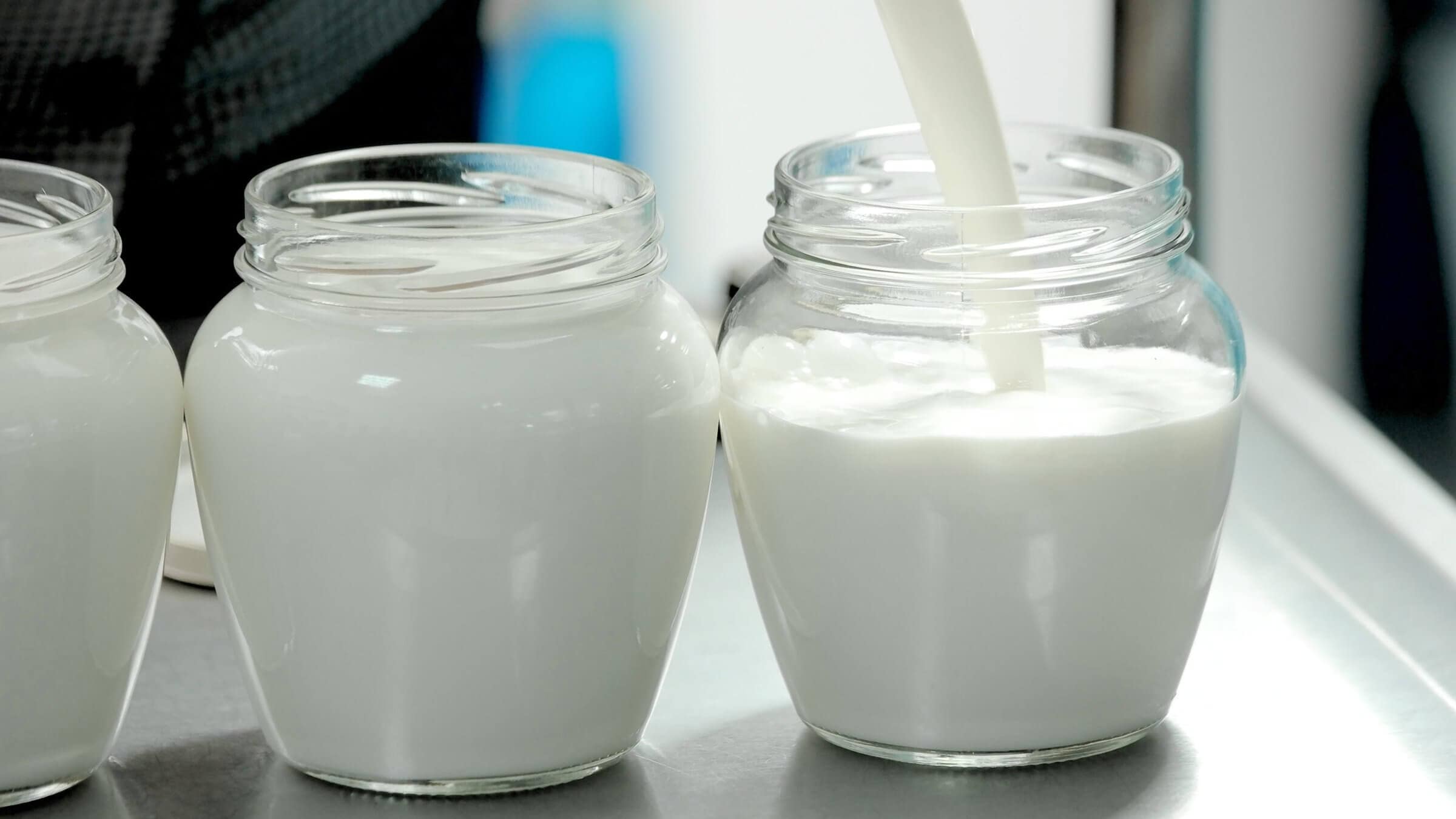
How to Store Fresh Camel Milk in the Freezer
For our customers, freezing is an important part of the storage process because our milk is shipped frozen.
When your order arrives, move the bottles into your freezer as soon as possible if you aren't planning to thaw them immediately. A freezer maintained at 0°F (-18°C) or below is the standard temperature recommended by the FDA for frozen food storage.
We recommend that its frozen camel milk can remain frozen for up to six months. Once thawed, the recommended window changes, so it's useful to think of frozen and refrigerated storage as two separate stages.
Best freezer practices
For the best experience:
- Leave the bottle sealed. Keep the original packaging intact while the milk is frozen.
- Give bottles room. Don't pack your freezer so tightly that cold air can't circulate.
- Keep track of your stock. If you receive several bottles, use older bottles first.
- Avoid unnecessary temperature changes. Repeatedly moving milk between the freezer and refrigerator isn't ideal.
- Follow the product instructions. Storage recommendations can vary between products and suppliers.
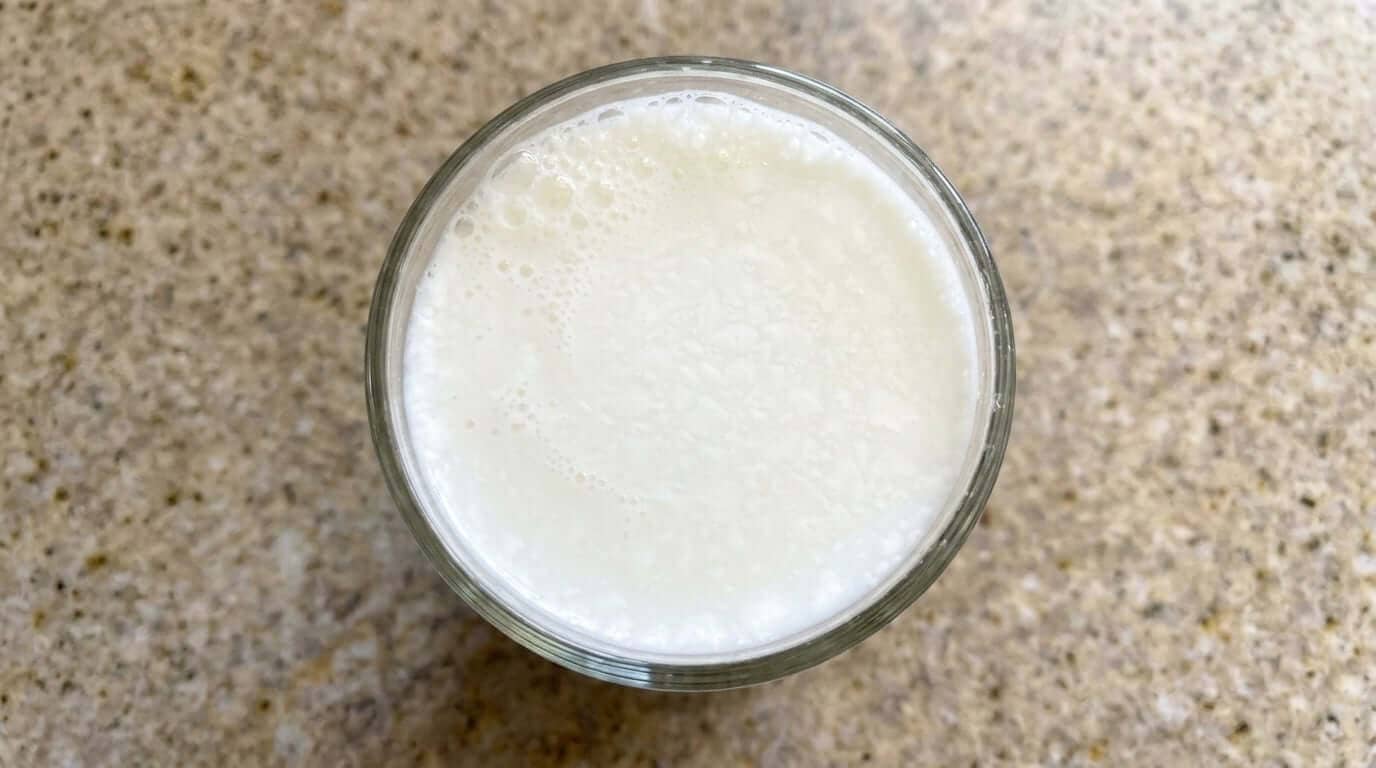
Freezing can also affect the appearance of milk. After thawing, natural separation may occur. With Juba Farms camel milk, gentle shaking before drinking can help restore a more uniform consistency.
How to Thaw Camel Milk Safely
The refrigerator is the best place to thaw frozen milk when you have time to plan ahead.
Instead of leaving a frozen bottle on the kitchen counter, transfer it from the freezer to the refrigerator and allow it to thaw gradually. This keeps the milk cold while it transitions back to a liquid state.
Depending on your schedule, you may want to move a bottle into the refrigerator the night before you plan to use it.
Once thawed, keep the bottle refrigerated. Juba Farms recommends consuming its milk within about 2–3 weeks after thawing for best quality.
Why does camel milk sometimes separate after thawing?
You may notice that the milk looks slightly different after freezing and thawing. That's not necessarily a problem.
Our farms' camel milk is non-homogenized, so natural separation can occur. The easiest solution is to gently shake the bottle before drinking or using the milk in a smoothie, recipe, or breakfast.
Avoid aggressive shaking if the bottle is very full. A gentle, controlled shake is usually enough to mix the contents.
How to Store Camel Milk in the Refrigerator
Once thawed, keep your fresh camel milk refrigerated rather than returning it to room temperature between uses. Proper refrigeration helps maintain the quality of your fresh camel milk and keeps it ready to enjoy throughout the week.
The refrigerator should be maintained at 40°F (4°C) or below. A refrigerator thermometer is a useful addition because the temperature shown on your refrigerator's control panel doesn't always tell you the actual temperature where your fresh camel milk is stored.
Where you place your fresh camel milk in the refrigerator can also make a difference.
Choose a Stable Area for Fresh Camel Milk
The refrigerator door experiences more temperature changes because it's opened frequently. For perishable foods like fresh camel milk, it's generally better to store the bottle inside the main refrigerator compartment, where temperatures tend to be more stable.
Keep your fresh camel milk bottle tightly closed whenever you're not using it. If you're pouring fresh camel milk into a glass, adding it to a smoothie, or using it in a recipe, avoid drinking directly from the bottle. Using a clean glass or utensil helps reduce the chance of introducing contaminants into the remaining fresh camel milk.
For the best storage routine, take out only the amount of fresh camel milk you plan to use and return the bottle to the refrigerator promptly. This simple habit helps keep your fresh camel milk cold and makes it easier to maintain consistent storage conditions from one use to the next.
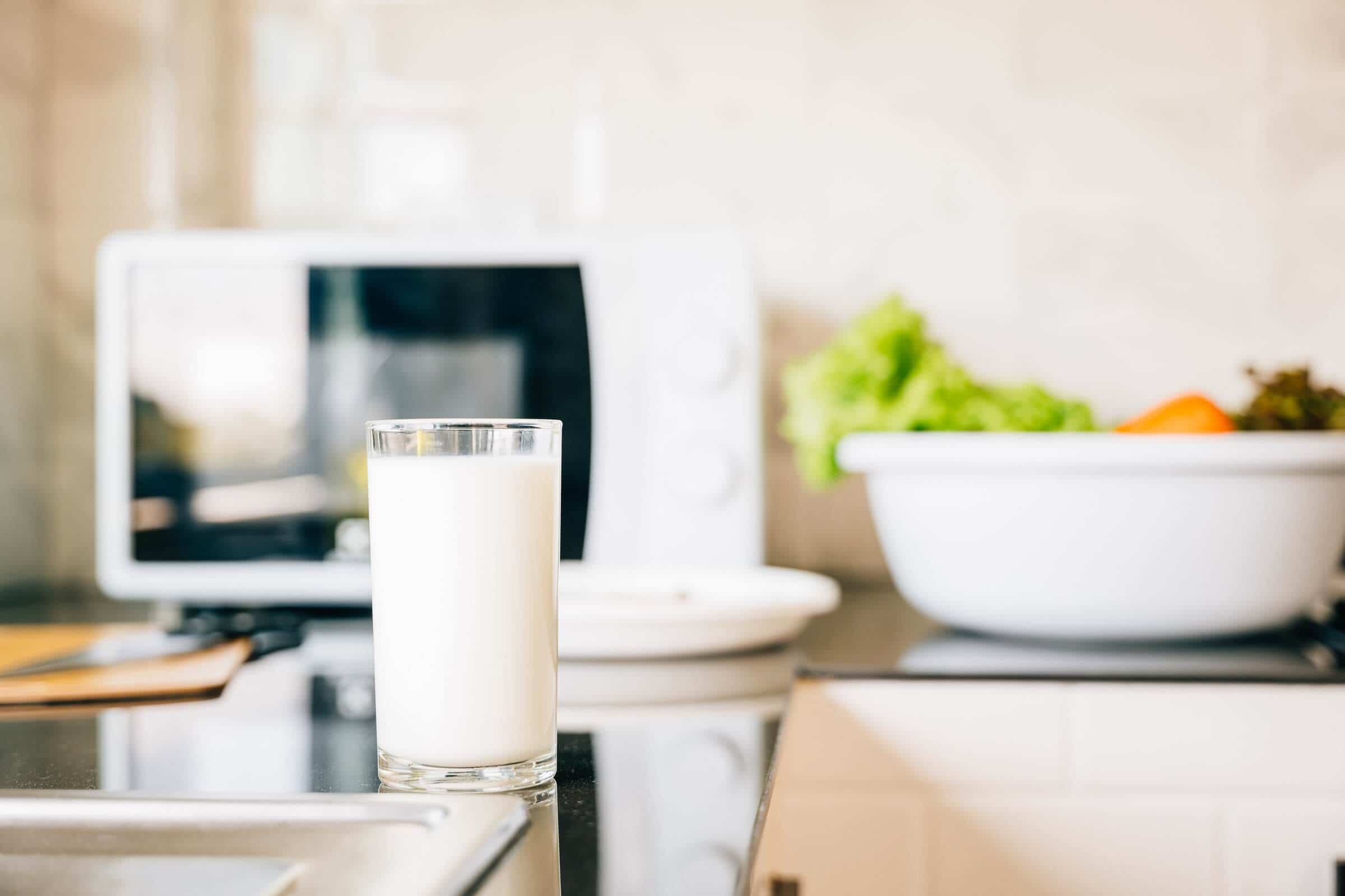
Keep the bottle clean
If milk spills around the cap or bottle opening, wipe it clean. Regularly cleaning refrigerator shelves and wiping up food spills can also help maintain a cleaner storage environment.
If the milk develops an unusual appearance, odor, or other signs of spoilage, don't taste it to determine whether it's safe. When you're unsure about a perishable food, the safer choice is to discard it.
What to Do When Your Order Arrives
One of the biggest questions for first-time customers is simple: What should I do when the box arrives?
Juba Farms ships its camel milk frozen in insulated packaging designed to keep the bottles cold during transportation. When your order arrives, unpack it promptly and check the condition of the milk.
Here's a simple approach:
| Arrival condition | What to do |
|---|---|
| Frozen solid | Place the bottles directly in the freezer. |
| Partially thawed but still cold/frozen | You can refreeze or refrigerate according to our handling guidance. |
| Thawed but still cold | Refrigerate promptly and follow the product's specific instructions. |
| Warm and fully thawed | Contact us within 24 hours of delivery. |
Our camel milk specifically advises customers not to refreeze milk that arrives thawed but still cold. Instead, refrigerate it and follow the company's guidance for use. If the milk arrives warm and thawed, contact Juba Farms within 24 hours of delivery.
When in doubt, don't rely only on smell or appearance to judge food safety. The FDA notes that food can sometimes contain harmful microorganisms without obvious changes in smell, taste, or appearance.
Common Camel Milk Storage Mistakes
Even when you're careful, a few common habits can make milk storage more complicated than it needs to be.
Leaving the bottle out too long
Perishable foods shouldn't sit at room temperature for extended periods. The FDA recommends refrigerating or freezing foods that require refrigeration promptly and advises following the two-hour rule for foods needing refrigeration.
If your kitchen is particularly hot, the recommended time can be even shorter.
Thawing on the counter
It's tempting to put a bottle on the counter in the morning and wait for it to thaw. However, refrigerator thawing is a better approach because it keeps the milk cold during the process.
Repeatedly freezing and thawing
Try to plan your bottles around how much your household will use. If you're only drinking camel milk occasionally, smaller bottles may be more convenient.
Ignoring natural separation
A change in appearance after freezing doesn't automatically mean the milk has spoiled. Non-homogenized milk can naturally separate, so gently shaking it after thawing is normal.
Overlooking the refrigerator temperature
A refrigerator that isn't cold enough can shorten the useful life of perishable foods. Keep a refrigerator thermometer handy and make sure your appliance stays at or below 40°F (4°C).
Choosing the Right Juba Farms Bottle
Storage becomes easier when you choose a bottle size that matches your household.
For someone trying camel milk for the first time, the 16 oz bottle can be a convenient starting point. It's also useful for occasional drinkers who don't need a larger quantity in the refrigerator after thawing.
Caanaha Geela dhalada ah ee Beeraha (16 oz)
$39.00
$48.00
Soo Bandhigida Beeraha Juba ee Caano Geel Saafiya: Dahab Dareere ah oo Dabiiciga ah Beeraleyda Jubba, waxaan ku hanweynahay in aan soo bandhigno wax-soo-saarkayaga saxiixa ah, 100% Caano Geel oo saafi ah. Elixir-kan aan caadiga ahayn wuxuu bixiyaa faa'iidooyin caafimaad… read more

For families, regular camel milk drinkers, or people who use camel milk in smoothies and recipes, the 1-liter bottle provides more milk in a single container.
Caanaha Geela dhalada leh ee Beeraha (1 Litir)
$63.00
$78.00
Soo Bandhigida Beeraha Juba ee Caano Geel Saafiya: Dahab Dareere ah oo Dabiiciga ah Beeraleyda Jubba, waxaan ku hanweynahay in aan soo bandhigno wax-soo-saarkayaga saxiixa ah, 100% Caano Geel oo saafi ah. Elixir-kan aan caadiga ahayn wuxuu bixiyaa faa'iidooyin caafimaad… read more

Once you've stored a few bottles, the process becomes simple.
A practical routine looks like this:
- Before delivery: Make sure you have enough freezer space.
- When your order arrives: Unpack it promptly.
- For long-term storage: Keep unopened bottles frozen.
- Before drinking: Move a bottle to the refrigerator to thaw.
- After thawing: Keep it refrigerated.
- Before use: Gently shake the bottle if natural separation has occurred.
- When ordering again: Choose a bottle size based on how quickly your household uses the milk.
This approach works particularly well for busy families. Instead of trying to use an entire order immediately, you can keep bottles frozen and move them into the refrigerator as needed.
Juba Farms makes this process easier by shipping camel milk frozen on its scheduled shipping days, helping maintain a consistent cold chain from shipment to delivery.
If you're ready to try camel milk at home, you can start with the 16 oz camel milk or choose the 1-liter bottle if you're buying for regular household use. Discover more from https://jubafarms.com/, explore our website to learn about our fresh camel milk and shop our products.
FAQs
How long can our camel milk stay frozen?
Juba Farms states that its camel milk can remain frozen for up to six months. For the best quality, keep your freezer at 0°F (-18°C) or below and follow the storage instructions provided with your order.
Should I thaw camel milk in the refrigerator?
Yes. Refrigerator thawing is the preferred approach for maintaining cold temperatures while the milk transitions from frozen to liquid. Once thawed, keep the bottle refrigerated and follow Juba Farms' recommended consumption window.
Can I refreeze camel milk if it arrives partially thawed?
If the milk arrives partially thawed while still containing frozen portions, Juba Farms says it can be refrozen or refrigerated. If it has completely thawed but is still cold, Juba Farms advises refrigerating it rather than refreezing it.
Why does camel milk separate after freezing?
Natural separation can occur because our camel milk is non-homogenized. Gently shaking the bottle after thawing can help mix the milk back together.
What should I do if my milk arrives warm?
If your shipment arrives warm and fully thawed, contact us within 24 hours of delivery. Don't rely solely on smell or appearance to determine whether a perishable food is safe.