


Table of Contents
Camel milk protein is gaining attention among health-conscious families, athletes, and people looking for alternatives to traditional dairy proteins. But how does it actually compare to whey, casein, and plant protein?
The answer depends on what matters most to you: digestion, amino acid profile, texture, recovery support, or overall tolerance. Each protein source has strengths, but camel milk offers a unique middle ground that many people find easier to incorporate into daily life.
At our farm, camel milk is carefully sourced, frozen for freshness, and shipped on a consistent weekly schedule to help families access high-quality camel milk nationwide.
What Makes Camel Milk Protein Different
Camel milk contains both casein and whey proteins, but the balance and composition differ from cow’s milk. Research suggests camel milk contains a higher proportion of beta-casein and lacks beta-lactoglobulin, one of the proteins commonly associated with cow milk sensitivity.
That distinction matters because protein structure influences how milk behaves during digestion.
Camel milk proteins are often described as forming a softer curd in the stomach compared to conventional cow dairy proteins. Some people report that this feels gentler and less heavy after drinking it, although individual experiences vary.
Camel milk also naturally contains whey proteins such as:
- Lactoferrin
- Immunoglobulins
- Alpha-lactalbumin
- Serum albumin
These proteins are being studied for their nutritional and functional properties.
Unlike heavily processed protein powders, fresh camel milk delivers protein in a whole-food format alongside minerals, fats, and naturally occurring nutrients.
Camel Milk Protein vs Whey Protein
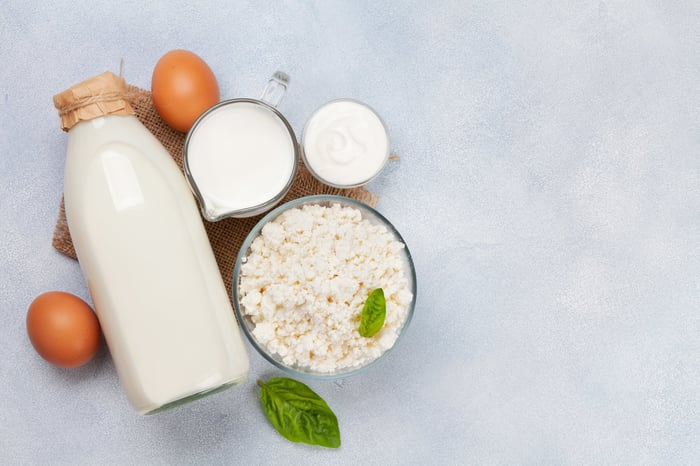
Whey protein is probably the most recognized protein supplement in fitness nutrition. It digests quickly and is commonly used after workouts because it provides rapid amino acid delivery.
Whey Protein Strengths
Whey is popular because it:
- Mixes easily
- Digests quickly
- Contains all essential amino acids
- Is widely available
- Supports muscle recovery
That’s why many athletes rely on whey shakes after training.
However, whey protein can also feel too intense or overly processed for some people. Others simply want a less industrial protein source.
Where Camel Milk Protein Differs
Camel milk protein is not identical to isolated whey. Instead, it contains a naturally balanced protein system that includes both whey and casein fractions.
Compared to whey isolate:
| Feature | Camel Milk Protein | Whey Protein |
|---|---|---|
| Digestion speed | Moderate | Fast |
| Format | Whole food | Usually powdered supplement |
| Texture | Creamy and light | Thin and shake-like |
| Protein type | Mixed protein profile | Mostly isolated whey |
| Common use | Daily nutrition | Post-workout recovery |
Camel milk also lacks beta-lactoglobulin, a whey protein present in cow milk that some people struggle to tolerate.
That doesn’t mean camel milk is suitable for everyone with dairy sensitivities, but it helps explain why some consumers seek it out.
For people who want a more natural protein source without relying entirely on powders, camel milk can fit well into smoothies, breakfast routines, or recovery meals.
Camel Milk Protein vs Casein Protein
Casein is the slow-digesting protein found in milk. Bodybuilders often take casein before bed because it releases amino acids gradually over time.
What Makes Casein Different
Casein forms a thicker gel during digestion. That slower release may help with fullness and overnight muscle recovery.
Many commercial casein powders are dense and creamy. Some people love that texture, while others find it heavy.
Camel Milk’s Casein Profile
Camel milk contains casein too, but its protein structure differs from cow milk casein. Beta-casein is the dominant fraction in camel milk, while alpha-casein levels are lower than in cow milk.
This matters because beta-casein tends to produce a softer curd structure during digestion.
In practical terms, many people describe camel milk as:
- Lighter than traditional dairy
- Less chalky than protein powders
- Easier to drink regularly
- More balanced between quick and slow digestion
Instead of functioning like a “slow-release bodybuilding supplement,” camel milk behaves more like a complete, everyday nutritional protein source.
Camel Milk Protein vs Plant Protein
Plant proteins have become extremely popular, especially among dairy-free consumers.
Common options include:
- Pea protein
- Soy protein
- Rice protein
- Hemp protein
- Oat protein
Each comes with tradeoffs.
Advantages of Plant Protein
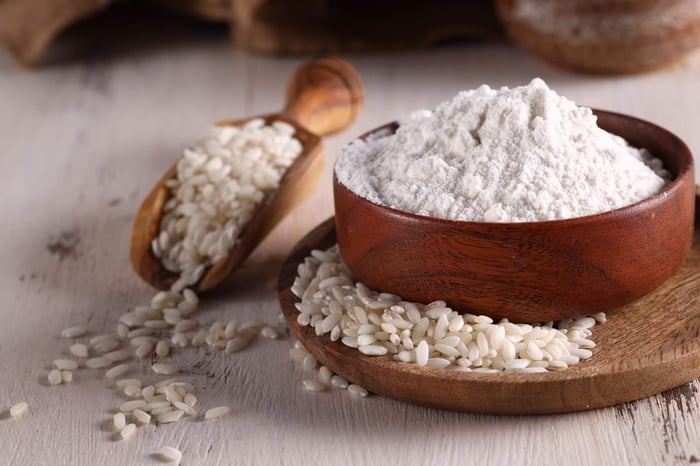
Plant proteins may work well for people avoiding animal products entirely. Some blends are designed to improve amino acid balance by combining multiple sources.
They’re also common in vegan meal replacements and smoothies.
Limitations of Some Plant Proteins
Many plant proteins are lower in one or more essential amino acids unless carefully blended.
Texture can also be an issue. Some powders feel gritty or earthy, while others rely heavily on gums, flavoring agents, or sweeteners.
Camel milk protein differs because it is naturally complete. Animal proteins generally contain all essential amino acids in balanced proportions.
Here’s a quick comparison:
| Protein Source | Complete Protein | Digestion Speed | Texture & Taste | Processing Level | Best For |
|---|---|---|---|---|---|
| Camel Milk | Yes | Moderate and balanced | Smooth, light, naturally creamy | Minimal | Whole-food nutrition and everyday wellness |
| Whey Isolate | Yes | Fast | Thin, shake-like | High | Post-workout recovery and muscle support |
| Casein Protein | Yes | Slow | Thick and rich | High | Sustained protein release, often used at night |
| Pea Protein | Usually blended | Moderate | Slightly grainy | Moderate | Plant-based protein alternatives |
| Rice Protein | Not complete alone | Moderate | Dry or chalky | Moderate | Vegan protein blends and allergy-friendly formulas |
For families looking for less processed nutrition, camel milk offers a naturally balanced protein source without the long ingredient lists often found in flavored protein powders and supplements.
Amino Acids and Digestibility
Protein quality is about more than just grams per serving.
A good protein source should provide:
- Essential amino acids
- Good digestibility
- Practical everyday use
- Nutritional balance
Camel milk contains both whey and casein proteins, giving it a broad amino acid profile. Studies also show camel milk proteins differ structurally from cow milk proteins.
Digestibility varies from person to person, but many consumers prefer camel milk because it feels less heavy than traditional dairy.
That’s one reason camel milk is increasingly discussed among:
- Active adults
- Families
- People exploring alternative dairy
- Consumers looking for minimally processed nutrition
Who May Prefer Camel Milk Protein
Camel milk protein may appeal to several types of consumers.
People Looking Beyond Protein Powders
Not everyone wants another tub of flavored supplement powder.
Some people simply want:
- Real food protein
- Fewer additives
- A more natural routine
- Less processed nutrition
Camel milk fits naturally into that approach.
Families Exploring Alternative Dairy
Camel milk has been part of East African and Middle Eastern diets for generations. Many Somali families already view it as a familiar and valued traditional food.
That cultural connection is one reason Juba Farms continues focusing on high-quality camel milk access in the United States.
Active Adults
Camel milk can also work well in:
- Smoothies
- Breakfast bowls
- Post-workout meals
- High-protein snacks
It offers protein without relying entirely on concentrated powders.

Choosing the Right Protein for Your Goals
There isn’t one “perfect” protein for everybody.
The best choice depends on your priorities.
| Goal | Protein Option Often Used |
|---|---|
| Fast workout recovery | Whey |
| Overnight digestion | Casein |
| Vegan nutrition | Plant protein |
| Whole-food balanced nutrition | Camel milk protein |
If convenience and rapid absorption matter most, whey may still lead.
If you prefer a slower-digesting nighttime protein, casein has advantages.
But if you want a less processed protein source with a naturally balanced composition, camel milk stands out.
That’s where Juba Farms products fit naturally into a daily wellness routine.
If you want to add camel milk protein to your routine, Juba Farms offers carefully handled camel milk shipped frozen for freshness.
Popular options include:
Caanaha Geela dhalada ah ee Beeraha (16 oz)

$39.00
$48.00
Soo Bandhigida Beeraha Juba ee Caano Geel Saafiya: Dahab Dareere ah oo Dabiiciga ah Beeraleyda Jubba, waxaan ku hanweynahay in aan soo bandhigno wax-soo-saarkayaga saxiixa ah, 100% Caano Geel oo saafi ah. Elixir-kan aan caadiga ahayn wuxuu bixiyaa faa'iidooyin caafimaad… read more
Caanaha Geela dhalada leh ee Beeraha (1 Litir)

$63.00
$78.00
Soo Bandhigida Beeraha Juba ee Caano Geel Saafiya: Dahab Dareere ah oo Dabiiciga ah Beeraleyda Jubba, waxaan ku hanweynahay in aan soo bandhigno wax-soo-saarkayaga saxiixa ah, 100% Caano Geel oo saafi ah. Elixir-kan aan caadiga ahayn wuxuu bixiyaa faa'iidooyin caafimaad… read more
Whether you’re comparing proteins for fitness, family nutrition, or digestive comfort, camel milk can be a practical whole-food option worth exploring visit our website https://jubafarms.com/.
FAQs
Is camel milk protein a complete protein?
Yes. Camel milk contains all essential amino acids because it is an animal-based protein source. It includes both whey and casein protein fractions.
Does camel milk contain whey protein?
Yes. Camel milk naturally contains whey proteins, including alpha-lactalbumin and lactoferrin. However, its whey composition differs from cow milk.
Is camel milk easier to digest than whey protein?
Some people report that camel milk feels gentler than whey protein powders, but digestion varies from person to person. Camel milk proteins differ structurally from conventional cow dairy proteins.
Can camel milk replace protein shakes?
It can be part of a high-protein diet, especially for people who prefer whole-food nutrition over supplements. However, protein needs vary depending on activity level and overall diet.
Is plant protein healthier than camel milk protein?
Not necessarily. Plant proteins work well for many people, especially vegans, but some are incomplete unless blended. Camel milk naturally contains complete protein.