


Table of Contents
Camel milk in traditional medicine has a long and fascinating history across East Africa, the Middle East, and parts of Asia. For generations, pastoral communities have valued camel milk not only as nourishment, but also as an important part of traditional wellness practices and daily life. In many desert and semi-arid regions, camel milk was considered one of the most dependable food sources because camels could survive and produce milk even in harsh climates where other livestock struggled.
For centuries, nomadic communities used camel milk as part of their everyday diets during travel, seasonal migration, and recovery from physically demanding conditions. In Somali culture especially, camel milk has long been associated with hospitality, strength, and nourishment. Elders often viewed it as an important food for families because of its rich nutritional value and ability to provide hydration in dry environments. Similar traditions can be found throughout Arabian, Bedouin, and North African cultures, where camel milk was respected as both a practical food source and a symbol of survival.
Camel milk in traditional medicine was often discussed alongside herbal remedies, balanced diets, and traditional healing practices. Historical communities sometimes believed camel milk could support digestion, energy, and overall wellness. While many of these beliefs come from cultural traditions passed down through generations, modern researchers are now studying camel milk’s nutritional composition more closely to better understand why it has remained important for centuries.
Today, camel milk is gaining attention far beyond desert regions. Researchers are studying its nutritional profile, while health-conscious families are exploring it as an alternative dairy option. At the same time, many people simply appreciate the cultural traditions tied to camel milk and the way it has supported communities for centuries. Some consumers are especially interested in camel milk because it contains naturally occurring vitamins, minerals, and proteins that differ from those found in traditional cow milk.
At our farm, we believe it’s important to honor both tradition and modern food standards. Our camel milk products are carefully sourced, frozen for freshness, and shipped with quality handling in mind so families across the United States can enjoy camel milk more conveniently. Whether customers are reconnecting with cultural traditions or discovering camel milk for the first time, we help make this historic dairy staple more accessible in modern households.
The Historical Role of Camel Milk
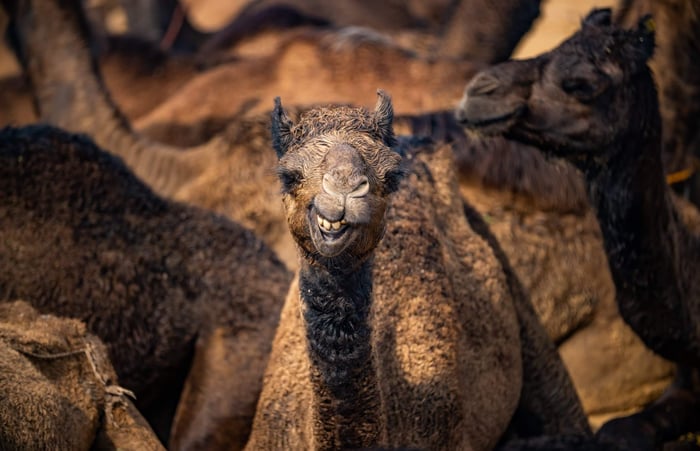
For nomadic cultures living in arid climates, camels were far more than transportation animals. They provided food, trade opportunities, and survival during difficult environmental conditions. Camel milk became a staple because camels could continue producing milk even in harsh desert climates where other livestock struggled. In many desert societies, camel milk was often one of the few reliable nutritional resources available year-round, making it deeply connected to daily survival and long-term health traditions.
Camel milk in traditional medicine developed naturally from these environmental realities. Communities that depended on camels began incorporating camel milk into traditional diets and wellness customs because of its ability to provide hydration, nourishment, and energy during periods of drought and food scarcity. Over time, camel milk became more than just a drink — it became part of cultural identity and traditional healing knowledge passed from one generation to the next.
In Somali culture and many neighboring East African communities, camel milk has traditionally been associated with strength, hospitality, and nourishment. Families often served fresh camel milk to guests, travelers, elders, and nursing mothers. Similar traditions exist throughout the Arabian Peninsula and North Africa, where camel milk was respected not only as an everyday food but also as an important symbol of generosity and well-being.
Camel milk in traditional medicine was often discussed alongside herbal practices and dietary customs. Historical traditions linked camel milk with general vitality, digestion, and recovery after illness. In some pastoral communities, camel milk was consumed during physically demanding travel or after long periods without access to diverse foods because it was viewed as sustaining and nutrient-rich. Traditional healers in some regions also paired camel milk with herbs and natural remedies as part of broader wellness practices rooted in local culture and experience.
Even today, many families across East Africa and the Middle East continue drinking camel milk regularly because of traditions passed down over centuries. For some, it represents a connection to heritage and ancestral lifestyles. For others, camel milk remains a trusted part of everyday nutrition and hospitality.
However, it’s important to understand that traditional uses are cultural practices, not modern medical proof. While historical communities believed camel milk supported overall wellness, those beliefs were shaped by traditional knowledge rather than controlled scientific studies.
Modern scientific research is still developing, and while some studies suggest camel milk contains beneficial nutrients and bioactive compounds, it should not be considered a cure or treatment for disease. Researchers continue studying camel milk because of its unique proteins, vitamins, minerals, and antioxidant compounds, but evidence remains limited for many health-related claims commonly shared online.
Today, interest in camel milk in traditional medicine continues growing as more consumers explore traditional foods and alternative dairy options. At Juba Farms, we recognize the deep cultural significance behind camel milk and work to make high-quality camel milk more accessible to modern families. Our camel milk products are carefully sourced, frozen for freshness, and shipped with quality handling so customers can enjoy camel milk while staying connected to a tradition that spans generations.
Camel Milk in East African and Middle Eastern Traditions
Across Somali, Bedouin, and Saharan communities, camel milk has long held a respected place in everyday life.
Somali Traditions
In Somali households, camel milk is commonly viewed as a prized food. Traditionally, it has been consumed:
- In the morning as a sustaining drink
- During travel across dry regions
- As part of postpartum nourishment traditions
- Alongside dates and traditional foods
- During seasonal migrations
For many Somali families, camel milk represents both nutrition and cultural identity. Even today, many people who grew up drinking camel milk continue seeking it out after moving abroad.
Bedouin and Arabian Traditions
In Bedouin culture, camel milk was often consumed daily because of its availability and nutritional value in desert environments. Some traditional practices associated camel milk with stamina and hydration.
Again, these are historical and cultural traditions rather than verified medical treatments. Still, they help explain why camel milk remains deeply respected in many communities today.

Nutritional Characteristics of Camel Milk
Part of the interest surrounding camel milk in traditional medicine comes from its unique nutritional composition.
Research suggests camel milk contains:
| Nutrient/Feature | Camel Milk Characteristics |
|---|---|
| Vitamin C | Often higher than cow milk |
| Protein | Contains different protein structure than cow milk |
| Minerals | Includes potassium, magnesium, and iron |
| Lactose | Typically lower than cow milk |
| Fat Profile | Different fatty acid composition |
| Bioactive Compounds | Includes lactoferrin and immunoglobulin-related proteins |
Several scientific reviews note that camel milk contains antioxidants and naturally occurring proteins that researchers continue studying for potential health-related properties. Interest in camel milk in traditional medicine has increased in recent years because scientists are exploring how its nutritional composition differs from traditional cow milk. Camel milk in traditional medicine has long been connected to nourishment, hydration, and cultural wellness practices across East Africa and the Middle East.
Some people who are sensitive to traditional dairy report that they personally tolerate camel milk differently. Camel milk in traditional medicine was often valued by pastoral communities because it was viewed as gentle, sustaining, and nutrient-rich during difficult environmental conditions. However, tolerance varies from person to person, and anyone with food allergies or medical concerns should consult a healthcare professional before changing their diet.
While camel milk in traditional medicine continues to attract modern scientific interest, current research is still developing. Camel milk should not be considered a cure or treatment for disease, though researchers continue studying its naturally occurring proteins, vitamins, and bioactive compounds.
Is Camel Milk Lactose-Free?
No. Camel milk still contains lactose, but generally in lower amounts than cow milk according to several studies. Some lactose-sensitive individuals may find it easier to digest, though experiences vary widely.
Why Researchers Are Interested
Researchers are especially interested in camel milk because it contains:
- Lactoferrin
- Immunoglobulins
- Antioxidant compounds
- Unique peptides and proteins
Scientists continue studying how these components may interact with the body. However, evidence remains limited for many health claims commonly seen online.
What Modern Research Says
Modern interest in camel milk has grown significantly over the last decade. Scientific reviews have explored its nutritional composition, antimicrobial properties, and potential functional food applications.
Some studies suggest camel milk may support general nutrition because of its vitamin and mineral content. Others are examining how certain proteins and peptides behave during digestion.
Still, there’s an important distinction between ongoing research and proven medical outcomes.
Important Reality Check
You may see dramatic claims online suggesting camel milk cures conditions like diabetes, autism, or autoimmune diseases. These claims are not supported by strong clinical evidence.
Credible researchers consistently caution that:
- Evidence is still limited
- Many studies are small
- More human trials are needed
- Camel milk should not replace medical treatment
That balanced approach matters. Camel milk can absolutely be appreciated as a traditional food with unique nutritional characteristics without overstating what it can do medically.
Why People Choose Camel Milk Today
People choose camel milk for many different reasons.
Some are reconnecting with cultural traditions. Others simply enjoy trying alternative dairy products. And many consumers are looking for foods with minimal processing and distinctive nutritional profiles.
Here are some of the most common reasons people buy camel milk today:
- Cultural familiarity
- Interest in alternative dairy
- Curiosity about traditional foods
- Lower lactose compared to cow milk
- Preference for nutrient-dense foods
- Taste and texture preferences
Camel milk has a slightly salty, earthy flavor compared to cow milk. Some people love it immediately, while others need time to adjust. Taste can also vary depending on the camel’s diet and region.

In our farm, we understand that many families are searching for high-quality camel milk they can trust.
That’s why we focus on careful sourcing, freezing for freshness, and dependable shipping practices. Our camel milk products are packaged to help preserve quality while making camel milk more accessible across the United States.
Whether you’re exploring camel milk in traditional medicine from a cultural perspective or simply looking for an alternative dairy option, Juba Farms offers convenient choices for different household needs.
Available Camel Milk Products
Caanaha Geela dhalada ah ee Beeraha (16 oz)

$39.00
$48.00
Soo Bandhigida Beeraha Juba ee Caano Geel Saafiya: Dahab Dareere ah oo Dabiiciga ah Beeraleyda Jubba, waxaan ku hanweynahay in aan soo bandhigno wax-soo-saarkayaga saxiixa ah, 100% Caano Geel oo saafi ah. Elixir-kan aan caadiga ahayn wuxuu bixiyaa faa'iidooyin caafimaad… read more
Caanaha Geela dhalada leh ee Beeraha (1 Litir)

$63.00
$78.00
Soo Bandhigida Beeraha Juba ee Caano Geel Saafiya: Dahab Dareere ah oo Dabiiciga ah Beeraleyda Jubba, waxaan ku hanweynahay in aan soo bandhigno wax-soo-saarkayaga saxiixa ah, 100% Caano Geel oo saafi ah. Elixir-kan aan caadiga ahayn wuxuu bixiyaa faa'iidooyin caafimaad… read more
Many customers start with the 16 oz size to try camel milk for the first time, while regular camel milk drinkers often prefer the 1-liter bottle for weekly household use.
How to Use Camel Milk at Home
Camel milk can be enjoyed in several ways:
- Chilled as a drink
- In smoothies
- With tea or coffee
- In oatmeal
- In traditional recipes
- With dates or honey
Because camel milk has a lighter texture than cow milk, many people find it refreshing, especially when served cold.
The Cultural Importance of Camel Milk
One of the most meaningful aspects of camel milk is the cultural connection behind it.
For many East African and Middle Eastern families, camel milk represents:
- Heritage
- Hospitality
- Community
- Survival in difficult climates
- Traditional food knowledge
That cultural significance is part of why camel milk continues to attract interest around the world today.
Understanding camel milk in traditional medicine also means understanding the people and traditions that preserved its use for generations.
Final Thoughts
Camel milk in traditional medicine is a story that stretches across centuries of cultural practice, nutrition, and survival in some of the world’s harshest climates.
Modern science continues exploring camel milk’s nutritional properties, but it’s important to approach the topic carefully and realistically. Camel milk is best viewed as a nutrient-rich traditional food rather than a miracle cure.
For families interested in trying camel milk today, Juba Farms offers carefully handled camel milk products that make this traditional food more accessible in modern life.
If you’re ready to experience camel milk for yourself, explore our camel milk collection by visiting https://jubafarms.com/ and discover why this centuries-old dairy tradition continues to matter today.
FAQs
Is camel milk healthier than cow milk?
Camel milk and cow milk have different nutritional profiles. Camel milk generally contains more vitamin C and different proteins, while cow milk may contain higher amounts of other nutrients. The better option depends on individual dietary needs and preferences.
Why was camel milk used in traditional medicine?
Historically, many cultures associated camel milk with nourishment, strength, and recovery during harsh environmental conditions. These traditional uses were based on cultural experience rather than modern clinical evidence.
Is camel milk safe for lactose-sensitive people?
Camel milk still contains lactose, but often at lower levels than cow milk. Some lactose-sensitive individuals report tolerating it better, though experiences vary and medical advice is recommended for people with serious sensitivities.
What does camel milk taste like?
Camel milk has a mild but slightly salty and earthy flavor. Many people describe it as lighter and fresher than cow milk.
How does Juba Farms ship camel milk?
Juba Farms ships camel milk frozen to help preserve freshness and maintain quality during delivery.