


Table of Contents
- Why Camel Milk Is Gaining Attention
- What Makes Camel Milk for Skin Care Different?
- Potential Benefits of Camel Milk
- Camel Milk for Skin Care and Natural Beauty
- Is Camel Milk for Skin Care Suitable for Everyone?
- Camel Milk for Skin Care vs. Drinking Camel Milk
- Experience Camel Milk for Yourself
- The Future of Camel Milk
- Final Thoughts
- FAQs
Why Camel Milk Is Gaining Attention
Interest in camel milk for skin care is growing as consumers look for natural ingredients with traditional roots. Camel milk has been valued as a food for generations, particularly across East Africa and the Middle East, and researchers are now exploring its potential applications in modern cosmetic products.
The conversation around camel milk is also part of a larger movement toward naturally derived beauty ingredients. Consumers are increasingly interested in where ingredients come from, how they're produced, and what makes them different from conventional cosmetic ingredients.
Camel milk stands out because of its naturally occurring proteins, fats, vitamins, minerals, and other compounds. While research into its topical cosmetic applications is still developing, these components have made camel milk an interesting subject for cosmetic scientists and product formulators.
What Makes Camel Milk for Skin Care Different?
One reason camel milk for skin care has attracted attention is its distinctive composition.
Camel milk contains proteins, fatty acids, vitamins, minerals, and bioactive compounds. Research has examined components including lactoferrin, lysozyme, immunoglobulins, and lactoperoxidase, although the amount and composition can vary based on factors such as the camel's diet, breed, stage of lactation, and environment.
For cosmetic formulators, that combination creates an interesting starting point.
Proteins in Camel Milk
Proteins are important components of many cosmetic formulations. Depending on the formulation and processing method, milk proteins and protein-derived ingredients may contribute to the feel and conditioning properties of skincare products.
This is one reason researchers are interested in camel milk for skin care. Camel milk contains several distinctive proteins that are being studied for potential cosmetic applications.
However, it's important to remember that the presence of a protein in camel milk doesn't automatically mean it will produce a particular result when applied to the skin. Cosmetic formulation determines how an ingredient behaves in the finished product.
Vitamins and Camel Milk for Skin Care
Camel milk also contains vitamins, including vitamin C and several B vitamins, although concentrations can vary.
Vitamin C is already widely recognized in the skincare industry, where specially formulated vitamin C products are used in many beauty routines. The vitamin C naturally found in camel milk is one of the reasons researchers continue to examine camel milk for skin care.
Still, whole camel milk shouldn't be considered equivalent to a stabilized vitamin C serum. A cosmetic product is carefully formulated around concentration, stability, pH, preservation, and intended use.
Fatty Acids and Skin Conditioning
The natural fats and fatty acids found in camel milk are another reason camel milk for skin care has become an interesting area of research.
Lipids are important in many moisturizers, creams, lotions, and other skincare formulations. They can influence the texture, spreadability, and conditioning characteristics of a finished product.
A camel milk-based cosmetic may therefore combine camel milk-derived ingredients with other oils, moisturizers, humectants, and emulsifiers to create the desired texture and performance.
Potential Benefits of Camel Milk
Researchers are investigating camel milk's composition and potential cosmetic applications, but there isn't enough evidence to claim that camel milk is a treatment for specific skin diseases.
Instead, the interest centers on its naturally occurring components and how they might function when incorporated into properly designed cosmetic formulations.
Potential areas of interest include:
Skin conditioning
Moisturizing formulations
Cleansing products
Facial masks
Soaps
Body creams
Hair and scalp products
The potential use of camel milk for skin care doesn't mean every camel milk product will provide the same experience. The rest of the formulation matters, including the concentration of camel milk-derived ingredients and the other ingredients used alongside them.
Camel Milk for Skin Care and Natural Beauty
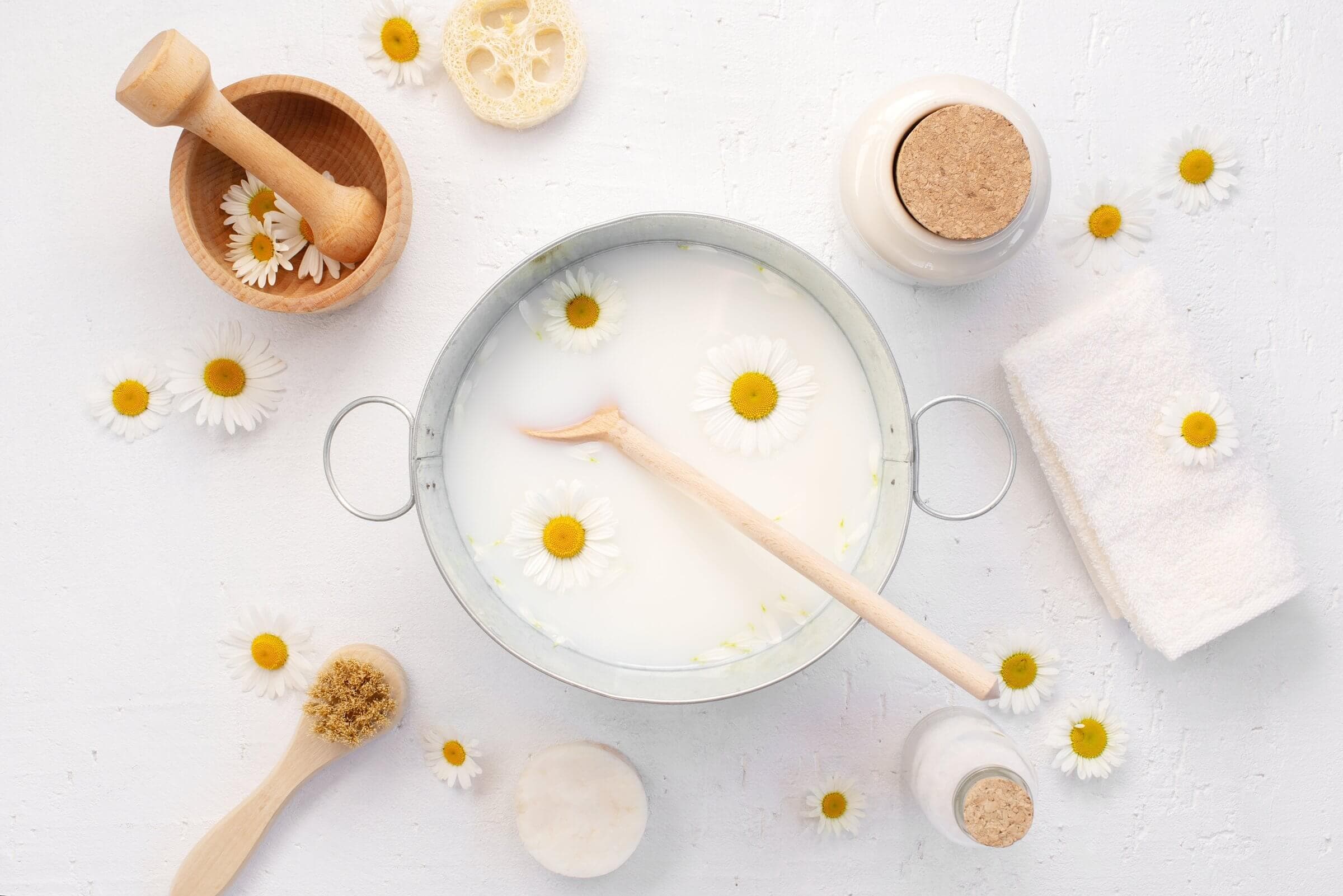
The popularity of camel milk for skin care fits into a broader shift toward natural and culturally inspired beauty products.
Consumers aren't only looking for products with familiar ingredients. They're also interested in ingredients with a story.
Camel milk certainly has one.
Across Somali, East African, and Middle Eastern communities, camel milk has been part of traditional life for generations. Its modern appearance in beauty products represents a new application of an ingredient that already has deep cultural importance.
That makes camel milk for skin care particularly interesting. It's not simply a new ingredient created for the beauty industry. It's a traditional food that researchers and manufacturers are exploring for additional applications.
Is Camel Milk for Skin Care Suitable for Everyone?
As with any skincare ingredient, individual experiences can vary.
A product containing camel milk may be perfectly suitable for one person's routine while causing irritation or discomfort for another. The finished product's complete ingredient list matters, not just the presence of camel milk.
If you're trying a new product containing camel milk for skin care, follow the manufacturer's directions and consider testing a small area first, particularly if your skin is sensitive.
People with persistent skin problems should also avoid replacing professional medical advice with cosmetic products. Camel milk should not be presented as a cure or treatment for eczema, acne, psoriasis, or other medical conditions.

Camel Milk for Skin Care vs. Drinking Camel Milk
This distinction is especially important for consumers discovering camel milk for skin care through Juba Farms.
We sell camel milk as a food product. It isn't manufactured or marketed as a facial cream, serum, mask, or other topical cosmetic.
Research into camel milk as a cosmetic ingredient does not mean that drinking camel milk can simply be poured onto the skin and expected to work like a professionally formulated skincare product.
Cosmetic products require appropriate formulation, preservation, packaging, testing, and instructions for topical use.
So, if you're interested, look for a product specifically formulated and labeled for cosmetic use.
If you're interested in experiencing camel milk as a traditional food, that's where our farm comes in.
Experience Camel Milk for Yourself
The growing interest in camel milk for skin care has introduced many people to camel milk for the first time. But camel milk has always been more than a beauty trend.
In our farm, camel milk represents food, culture, tradition, and community.
We offer camel milk in convenient sizes, including a 16 oz bottle for customers who want to start with a smaller quantity and a 1-liter bottle for households or regular camel milk drinkers.
The milk is shipped frozen with careful cold-chain handling to help maintain quality during delivery.
If you've been researching camel milk for skin care and want to learn more about camel milk itself, trying it as a traditional food can be a natural next step.
Caanaha Geela dhalada ah ee Beeraha (16 oz)
$39.00
$48.00
Soo Bandhigida Beeraha Juba ee Caano Geel Saafiya: Dahab Dareere ah oo Dabiiciga ah Beeraleyda Jubba, waxaan ku hanweynahay in aan soo bandhigno wax-soo-saarkayaga saxiixa ah, 100% Caano Geel oo saafi ah. Elixir-kan aan caadiga ahayn wuxuu bixiyaa faa'iidooyin caafimaad… read more

Caanaha Geela dhalada leh ee Beeraha (1 Litir)
$63.00
$78.00
Soo Bandhigida Beeraha Juba ee Caano Geel Saafiya: Dahab Dareere ah oo Dabiiciga ah Beeraleyda Jubba, waxaan ku hanweynahay in aan soo bandhigno wax-soo-saarkayaga saxiixa ah, 100% Caano Geel oo saafi ah. Elixir-kan aan caadiga ahayn wuxuu bixiyaa faa'iidooyin caafimaad… read more

The Future of Camel Milk
Scientists still have important questions to answer. Which camel milk components are most useful in cosmetic formulations? How stable are they? What concentrations work best? How does processing affect them? And how do camel milk-derived ingredients compare with established cosmetic ingredients?
Answering those questions will help determine where camel milk belongs in the future of skincare.
For now, the evidence supports a more measured conclusion: camel milk for skin care is an emerging area of cosmetic research with interesting potential, but more research is needed before strong claims can be made.
That balance is important.
Natural ingredients can be exciting without being miracle ingredients. Camel milk's cultural history and distinctive composition make it worth studying, while responsible skincare information should always distinguish between scientific research and marketing claims.
Final Thoughts
The growing conversation around camel milk for skin care shows how traditional ingredients can find new applications in modern industries.
Camel milk contains proteins, fats, vitamins, minerals, and other compounds that have attracted scientific and cosmetic interest. Researchers have explored its potential use in soaps, shampoos, and other personal-care products, while reviews continue to examine its composition and possible applications.
But the story is still developing.
For now, camel milk for skin care should be viewed as an emerging cosmetic ingredient rather than a proven treatment for skin conditions. Consumers should look for properly formulated products and avoid exaggerated claims.
And if you're simply curious about camel milk itself, Juba Farms offers an opportunity to experience this traditional food in a convenient modern format.
From East African tradition to modern research laboratories and beauty shelves, camel milk is entering a fascinating new chapter. Visit https://jubafarms.com/ to learn more about us and explore our camel milk products.
FAQs
Is camel milk used in cosmetics?
Yes. Camel milk-derived ingredients have been explored in products such as soaps, shampoos, creams, and other personal-care formulations. However, research into specific cosmetic benefits remains limited and continues to develop.
What makes camel milk interesting for skincare?
Camel milk contains proteins, fatty acids, vitamins, minerals, and other bioactive compounds that researchers are investigating for potential cosmetic applications. Its composition is one reason it has attracted attention from cosmetic formulators and researchers.
Does camel milk treat acne or eczema?
There isn't enough evidence to say that camel milk treats or cures acne, eczema, or other skin diseases. Consumers should be cautious about cosmetic products making medical claims and should consult a qualified healthcare professional about persistent skin conditions.
Can I put camel milk bought from Juba Farms directly on my face?
Our camel milk is sold as a food product, not as a cosmetic product. It shouldn't be assumed to be a suitable facial treatment simply because camel milk is being researched as an ingredient in professionally formulated cosmetics.
Is camel milk good for dry skin?
Camel milk contains lipids and other components that make it interesting for cosmetic formulation, particularly in moisturizing products. However, whether a particular camel milk cosmetic helps dry skin depends on the complete formulation and the individual product.